HIBAPRESS
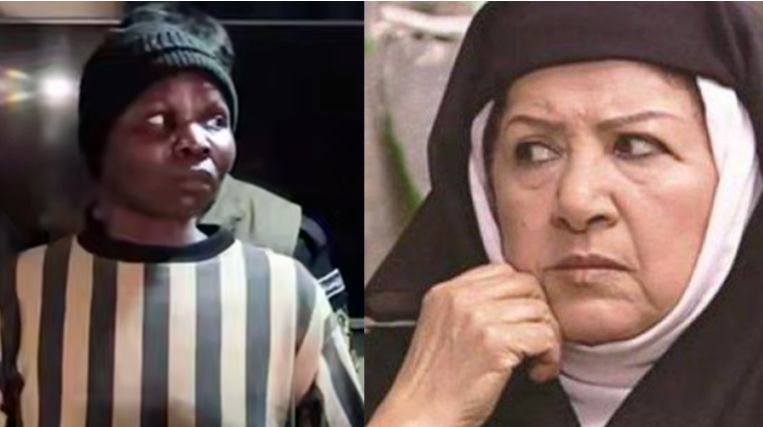
"Forgive me… she used to beat me, starve me, and lock me in the bathroom," with these words mixed with tears and regret, the Ugandan domestic worker justified her motives for ending the life of the Syrian artist Huda Shaarawi inside her home in Damascus.
According to the defendant's claims in an official recording of the crime's representation, sharp disputes arose between them due to her being deprived of her monthly salary and prevented from sending it to her family, as well as being subjected to constant mistreatment that reached the point of deliberate starvation. The worker also claimed that she believed there was an attempt to poison her after she was asked not to approach the refrigerator, which created a feeling of fear and delirium that led her to commit her act, believing that "they should die together." In horrific details revealed by the video clip attributed to the Syrian Ministry of Justice, the maid appeared as she struck the late artist's head with a solid iron tool several times while she was lying on her bed, causing severe bleeding that claimed her life immediately. After committing the crime, the defendant recounted her failed attempts to end her life, as she took large amounts of medication, poured fuel on her clothes, and then jumped from the building's roof, but she did not die. She was later found by one of the ladies and reported to the security authorities, who arrested her on the evening of the same incident. This news sparked a major tragedy in the Arab artistic community, given the high status enjoyed by Huda Shaarawi, famous for the role of "Umm Zaki" in the series "Bab Al-Hara." For its part, the judiciary affirmed its firm follow-up to the case to ensure the achievement of justice, indicating that the crime representation procedure comes within the framework of ongoing investigations to reveal all the legal details.