HIBAPRESS
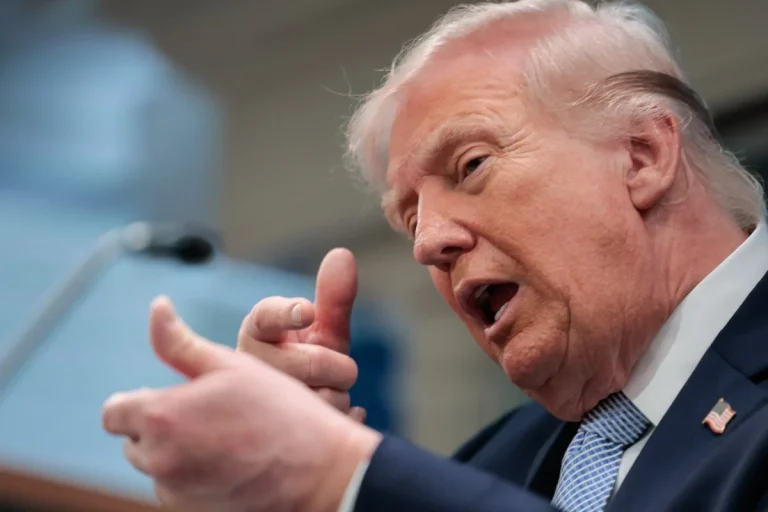
The New York Times revealed that a phone call made by US President Donald Trump with the UAE President Sheikh Mohamed bin Zayed, following discussions with Saudi Crown Prince Mohammed bin Salman about the war in Sudan, was the spark that ignited a public diplomatic dispute between Saudi Arabia and the UAE, despite being among the United States' most prominent allies in the region.
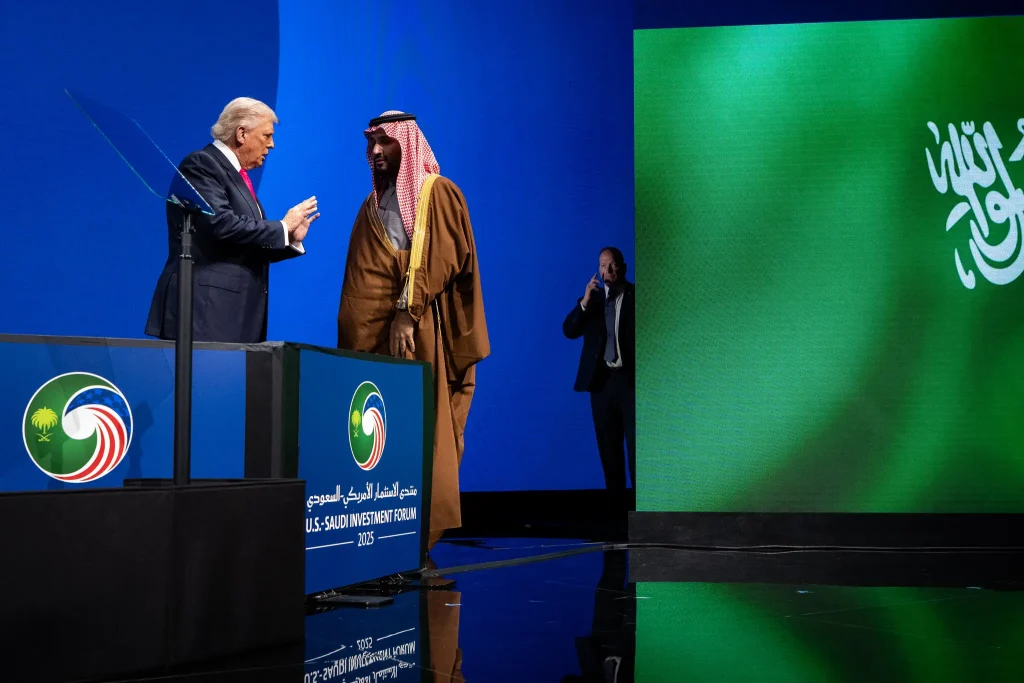
According to an investigation published by the newspaper, Trump informed Sheikh Mohamed bin Zayed, during the call that took place in November, of the content of a private conversation between him and the Saudi Crown Prince in the White House. The newspaper quoted four people who were briefed on the details of the call from Emirati officials as saying that Trump indicated that Mohammed bin Salman had asked him to impose sanctions on the UAE, against the backdrop of its support for the Rapid Support Forces in Sudan. In contrast, The New York Times quoted a different account from a Saudi official who said that the Crown Prince did not ask for direct sanctions on the UAE, but rather called for intensifying pressure on the Rapid Support Forces, to prevent them from obtaining external support, considering that any decline in this support may contribute to ending the war in Sudan. A US official also clarified, according to the same report, that Mohammed bin Salman did not ask Trump to impose sanctions on the UAE, but he did not go into further details about the content of the call. The American newspaper indicated that the conflicting details did not prevent direct political repercussions, as the latent tensions between the two countries erupted after the content of the conversation was leaked, adding that Emirati sources considered that the information conveyed about Trump's conversation created a sense of "betrayal" among Emirati officials, in light of what the newspaper described as a close previous alliance between the two sides. The New York Times adds that the tension reached its peak in December, when Saudi Arabia bombed an Emirati shipment heading to Yemen, a step that Riyadh considered related to security considerations, while Abu Dhabi denied the accusations of the presence of weapons shipments. The newspaper indicates that the conflict between the two countries, which possess wide economic and political influence, extends to several regional files, most notably the war in Yemen, the conflict in Sudan, and the competition for influence in the Horn of Africa. The two sides also adopt different approaches to foreign policy, especially with regard to the regional role and strategic alliances. According to the investigation, the administration of President Trump avoided openly siding with either side, at a time when economic and investment interests link the United States with both Riyadh and Abu Dhabi, amid reports of Emirati and Saudi investments related to companies and projects belonging to the Trump family. The newspaper concluded that the American President, when asked about his role in this dispute, denied his direct involvement, but affirmed in a later statement that settling the dispute between the two countries is easily possible, saying: "We can settle it very easily… It is an easy issue to solve."