HIBAPRESS – Lubna Abrouk
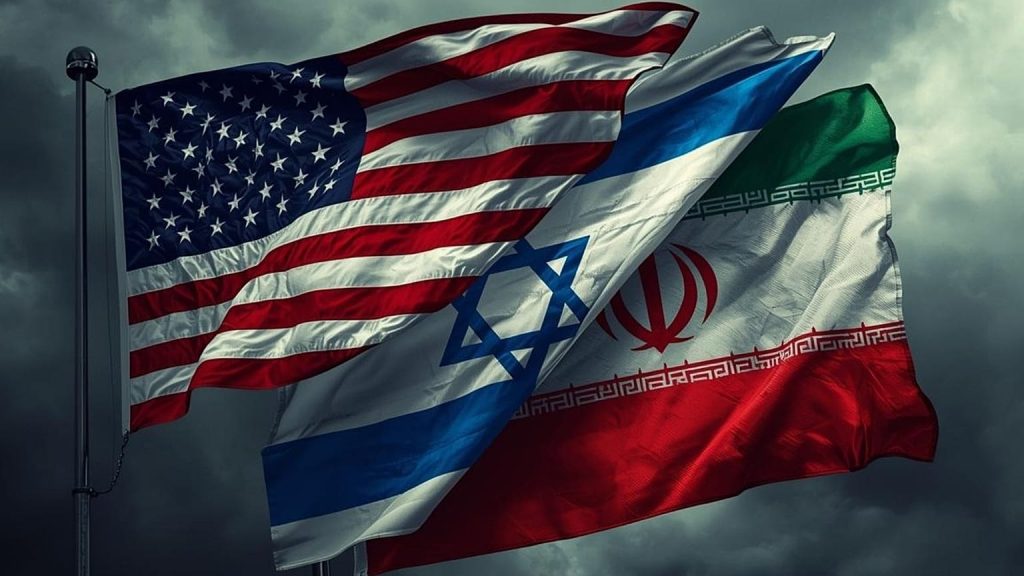
Social economy expert, Abdelaziz Romani, commented on the repercussions of the ongoing war between Israel, America, and Iran, asserting that any conflict in oil-rich regions has direct implications on the global economy.
Romani explained, in a statement to HIBAPRESS, that oil prices have recorded a noticeable increase since the first days of the war, highlighting that this increase is due to two main factors: first, the fears affecting global oil markets, which directly reflects on transportation, shipping, and living costs, and second, the disruption of global stock markets. He pointed out that the strong effects of the war began psychologically through fears, then practically through the closure of the Strait of Hormuz, through which a significant percentage of global trade passes, in addition to the closure of Qatar Energy for some of its operations, which increased the intensity of tension in the energy markets. The expert added that the world has not yet reached the level of economic repercussions left by the war in Russia and Ukraine, but it is gradually approaching that scenario, warning that the danger may worsen if oil-producing countries fail to protect their facilities from any potential targeting, as happened during Iraq's withdrawal from Kuwait during the Gulf War, when oil wells caught fire and prices rose record-breakingly. Regarding the situation in Morocco, Romani confirmed that countries with limited reserves are the most affected in such crises, especially given the uncertainty of the war's duration. He indicated that Morocco suffered in recent weeks from disruptions in the supply of fuel, for reasons related to mismanagement, distribution, or speculation in the market, noting that some fuel stations may resort to monopolistic practices. He revealed that the national fuel reserve is about two months, with the possibility of raising it to higher levels, highlighting that Morocco is working to expand its storage capacity despite the high cost. Romani concluded his statement by emphasizing that the impact of the war may be noticeable on the Moroccan economy if it lasts for a long time or if production areas and supply channels are affected, especially the Strait of Hormuz, stressing that the repercussions will not be limited to fuel prices only, but will extend to living costs, inflation rates, and economic growth, which was expected to improve thanks to the recent rainfall.