HIBAPRESS – Abdelatif Baraka
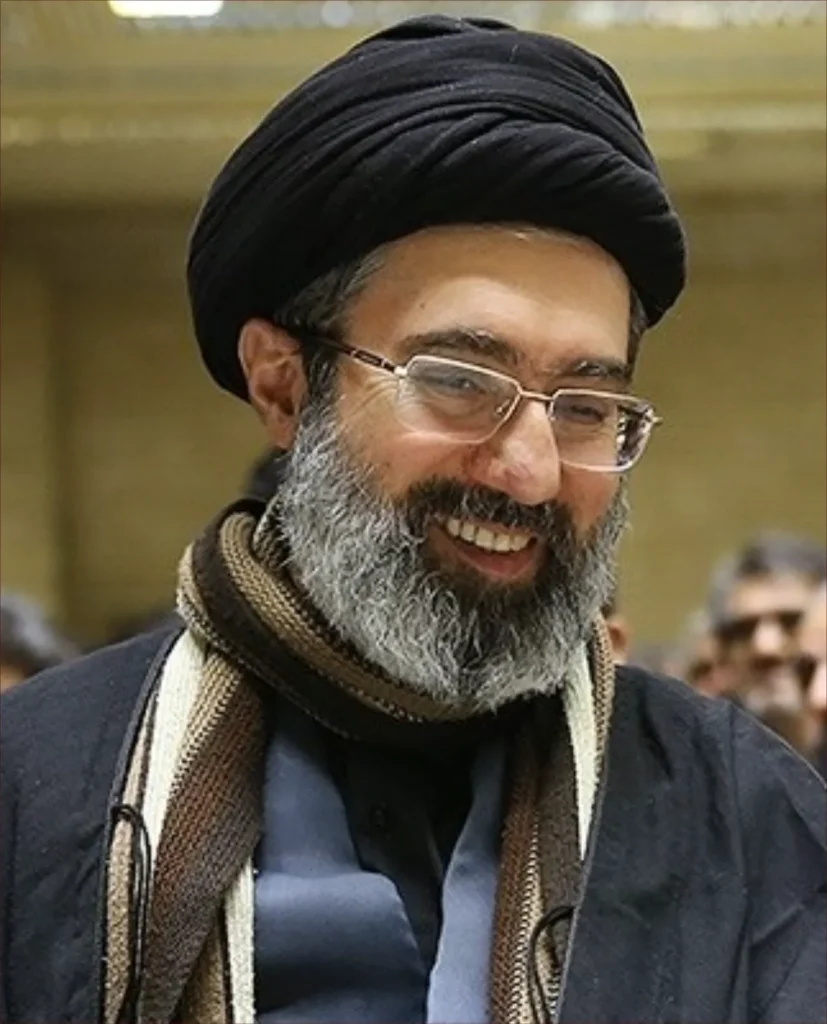
In a significant development that could redraw the features of the political landscape in Iran, the Assembly of Experts announced the selection of "Mojtaba Khamenei" as the new Supreme Leader of the Islamic Republic, during the current month of March, succeeding his late father, Ali Khamenei, in a move that ended years of speculation about the identity of the man who will lead the country after one of the most influential leaders in contemporary Iranian history.
Mojtaba Khamenei, who is about 56 years old, is considered one of the most mysterious figures within the Iranian power circles. Despite his close proximity to the decision-making center, he has not held any prominent official position in the state, nor has he appeared much in public political discourse, which made him described in political and media circles as a "shadow man" who runs a complex network of influence behind the scenes.
Previous reports and leaks, including documents published by WikiLeaks, indicate that Mojtaba played a pivotal role in influencing his father's decisions in recent years, as he was a link between the religious establishment and the security and military power centers within the Iranian regime.
The new Supreme Leader belongs to the generation of the Iran-Iraq war, as he participated in the ranks of the Basij forces during the war, an experience that is believed to have shaped part of his political and ideological vision, which is based on deep caution towards the West and strictness in defending the country's sovereignty.
A few days before the announcement of his selection, Mojtaba Khamenei received the title of "Ayatollah," a high religious title that is considered an essential condition for assuming the position of Supreme Leader according to the Iranian constitutional system, in a move that observers believe is similar to the path that led his father to power in 1989.
Despite his relative absence from the media, Mojtaba's name has been associated with a number of sensitive political stations in Iran. The reformist politician Mehdi Karroubi accused him of interfering in the 2005 presidential elections, and some leaders of the reformist current considered him one of the most prominent centers of influence during the political crisis that followed the 2009 elections.
Observers confirm that the real power of the new Supreme Leader lies in his close relationship with the leaders of the Iranian Revolutionary Guard, a relationship that has made him a favorite figure of the conservative current and the military establishment, which is looking for firm leadership in light of the escalating regional tensions.
The rise of Mojtaba Khamenei to the top of the power pyramid comes at a sensitive moment in which the region is witnessing increasing tensions, especially with the United States and Israel. The United States has imposed sanctions on him since 2019, while Israel continues to direct direct threats to the Iranian leadership in the context of the ongoing regional conflict.
While his supporters see him as a man capable of maintaining the cohesion of the regime at a critical stage, his critics consider that his rise may open a new chapter of extremism in Iranian politics, which makes eyes turn to Tehran to find out how the new Supreme Leader will lead the country in one of the most complex periods in its modern history.