HIBAPRESS – Muhammad Zariouh
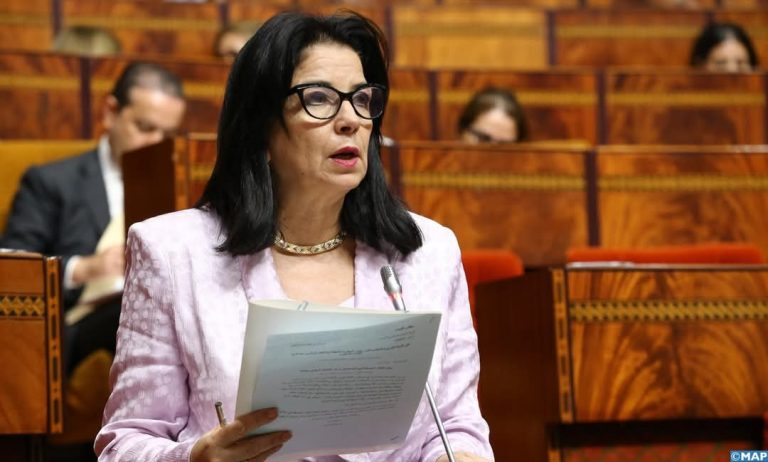
Former parliamentarian Dr. Laila Ahkim reignited the political debate in the Nador region after she made fiery statements about an official who heads one of the professional chambers. In a frank and strong interview, Ahkim accused this official of turning his position into a means of serving his personal interests at the expense of the public interest, which raised questions about how public affairs are managed in the region.
In the face of a lack of confidence in some political aspects, Ahkim did not hesitate to direct the strongest criticisms at this official who moved from one party to another in search of electoral endorsements, becoming a living example of political opportunism that has no concern other than expanding the circle of influence at the expense of serving citizens. She considered that this official has become reduced in his personality to a symbol of corruption that moves between positions as stations to enhance his own interests.
Ahkim's criticism was not limited to the political path of this official only, but also pointed to the suspicious transformations in his wealth and investments, which have increased significantly recently, both inside and outside Morocco. These transformations, which were accompanied by rumors of the existence of judicial precedents related to his name, made public opinion question the source of this suspicious wealth and how it accumulated in record time, which increased the intensity of criticism against this person, who has become a big question mark.
And in the heart of these statements, Ahkim detonated another bomb, revealing restrictive practices affecting investors in the region. She said that projects in the city face artificial obstacles and closed doors, while the road is easily opened to foreign investors, especially the Spanish, in a scene that reveals major imbalances in the standards of dealing with different economic groups.
These practices, which Ahkim described as representing a case of clear injustice, confirm that there are those who open the field for him at the expense of others, which weakens the ability of local investors to compete and enhances the monopoly in favor of a specific group. This reality, according to the former parliamentarian, requires radical and immediate reforms to ensure equal opportunities and lift the restrictions that hinder national projects.
In conclusion, Ahkim confirmed that the era of political and economic exploitation is over. She pointed out that Morocco today is moving with confident steps towards consolidating a culture of accountability, and that the Moroccan citizen has become more aware of the necessity of linking responsibility to accountability, rejecting any deviation from the public interest.