HIBAPRESS – Abdellatif Baraka
With the escalation of the military conflict between the United States and Iran since the end of last February, the price of oil has turned from just a number in the markets to a decisive strategic card that determines further economic and political transformations in the world.
This conflict, which began as a geopolitical tension, quickly returned to affect global markets, and to confirm that energy crises can turn into long-term economic shocks.
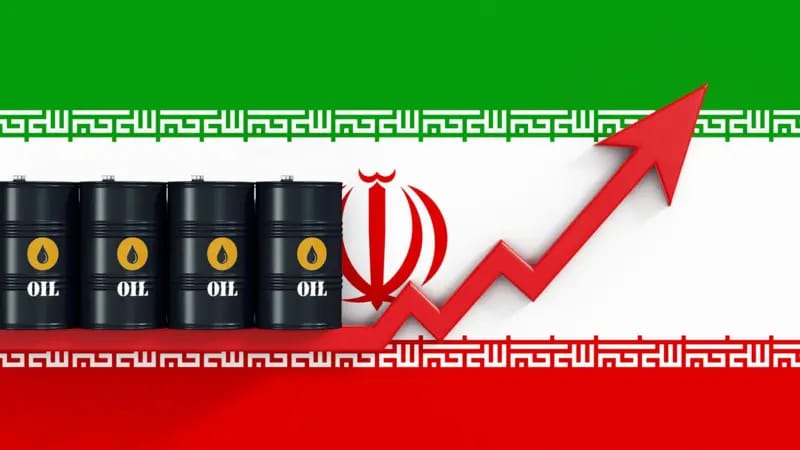
Crude oil prices have risen significantly since the beginning of the war, with increases exceeding multiple levels in some sessions, in a clear indication of global concern about supply disruptions and market drying up if the conflict expands.
The essential reason for this effect is not only in the fact that oil is an economic commodity, but in Iran's geostrategic role in the global energy markets. The Islamic Republic alone possesses huge oil reserves and is among the most important crude producers in the Organization of the Petroleum Exporting Countries (OPEC). It is also surrounded by vital shipping lanes such as the Strait of Hormuz, through which about 20% of the world's maritime oil trade passes.
Any threat to this vital corridor or any partial withdrawal of supplies from the market is immediately translated into price increases per barrel. In some estimates, analysts indicate that closing Hormuz completely would push the price of oil to levels exceeding $120 per barrel, a figure that remains strongly in the minds of investors and consumers.
But the impact is not limited to the oil market alone, as rising oil means a rise in the cost of fuel and raw materials that global production chains depend on, from transportation to the food industry, where oil and gas are essential inputs in the production of fertilizers and many goods.
Sharp rises in energy prices open the door to wider inflation in the global economy, which is warned of by senior economists, considering that this oil shock may continue to affect price levels and the macroeconomy for years, even after the decline in military tensions.
In contrast, with any hint of easing the conflict or diplomatic beginnings, prices witness a temporary decline, as happened when some political leaders indicated the possibility of the war ending early, which slightly eased the pressure on the markets.
The oil policies of OPEC countries themselves have become part of the equation, as this group, which controls about 40% of global production, may adjust production to try to curb price fluctuations, but these movements are often limited in the face of the risks of geopolitical supply disruption.
The final result is that oil prices have become more than just an economic indicator; they are a political indicator in the war between America and Iran, and a symbol of the fragility of markets in the face of external factors that go beyond pure economic calculations, to fall within the category of national security and international alliances. The longer the conflict lasts, the higher the cost of this decisive card on the entire global economy.