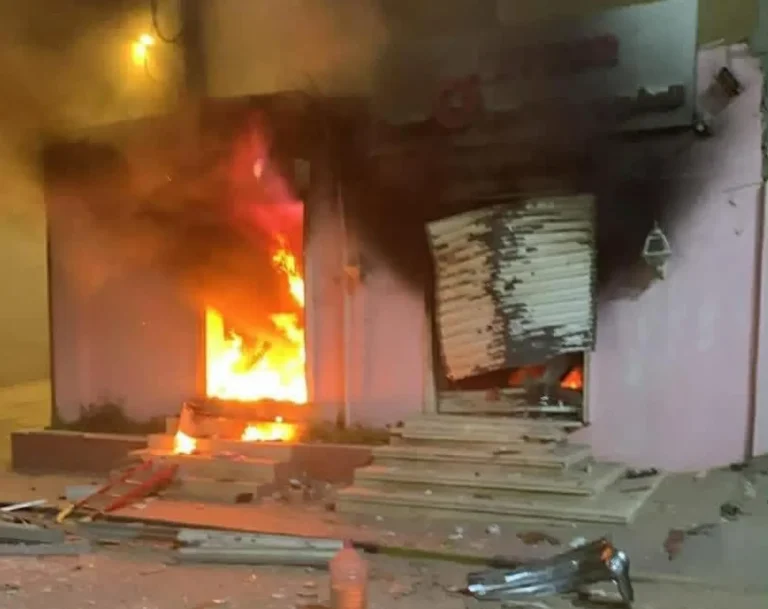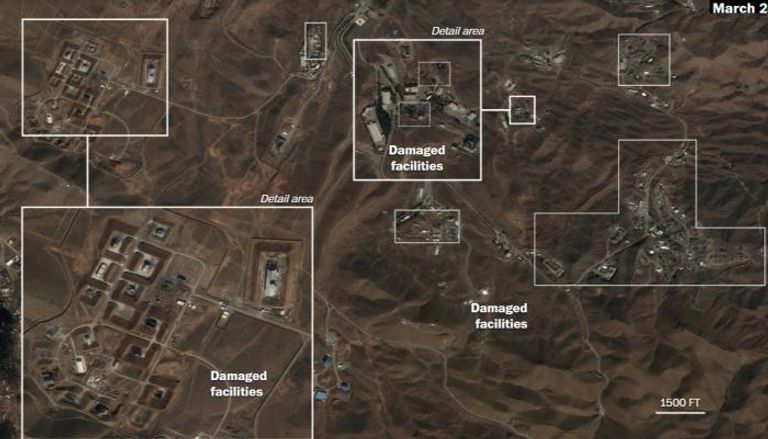
Satellite images have documented the massive destruction that has befallen Iranian ballistic missile production and launch sites, weeks after intensive American and Israeli raids. Military experts confirmed that four main missile manufacturing sites were severely damaged, in addition to at least 29 launch bases, undermining Iran's ability to implement its central military strategy at present.
The air strikes led to the destruction of above-ground launch platforms and hampered access to missiles stored underground, as well as temporarily halting the manufacture of new missiles, according to analyses by image experts and sources familiar with the Iranian arsenal. The targeted sites included the Khojir, Parchin, Hakimiyeh, and Shahroud complexes, which are vital centers for the production of solid and liquid fuel needed to operate short- and medium-range ballistic missiles. The images showed the destruction of dozens of buildings within the military complexes, including research and development centers and production lines, while the raids closed the entrances to the underground missile storage tunnels, hindering access to stored weapons. Experts considered that these strikes would significantly delay the preparation of launch platforms, giving the United States and Israel a greater margin to control the field situation before rebuilding Iranian missile capabilities. Analysts confirmed that the current damage exceeds the extent of the destruction that befell Iran during previous conflicts, including the 12-day war last summer and the Israeli attacks of October 2024. They pointed out that targeting solid fuel, which is most common in short-range missiles, effectively hinders Iran's ability to carry out any rapid attack, while the production of longer-range liquid fuel takes longer and increases the facilities' exposure to raids. Experts concluded their analyses by confirming that the continuation of these strikes will significantly weaken the Iranian arsenal and force Tehran to reconsider its missile programs in the coming months. While the United States and Israel continue to monitor sensitive sites via satellite, the question remains about Iran's ability to restore missile production or develop strategic alternatives that maintain the balance of power in the Middle East.