HIBAPRESS – Abdellatif Baraka
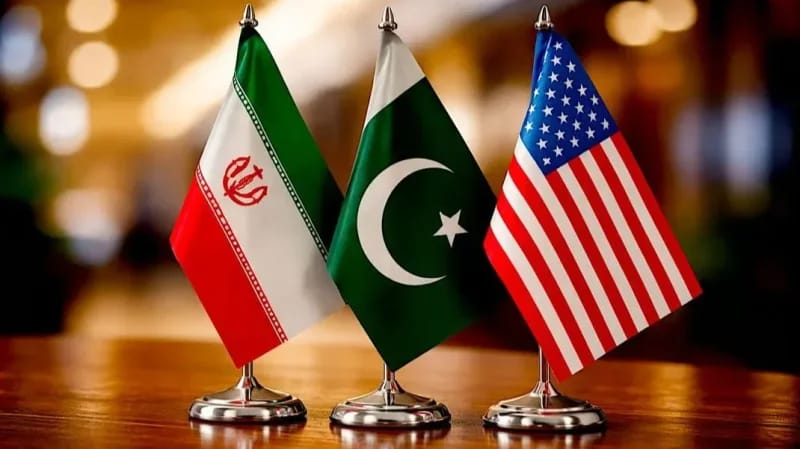
In an international moment charged with tensions and geopolitical intersections, the Pakistani capital, Islamabad, is transforming into a sensitive diplomatic platform, hosting negotiations described as the most delicate in decades between the United States and Iran.
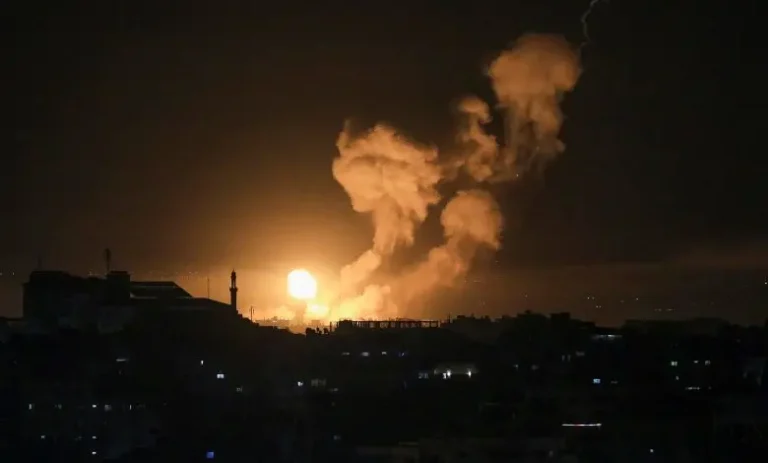
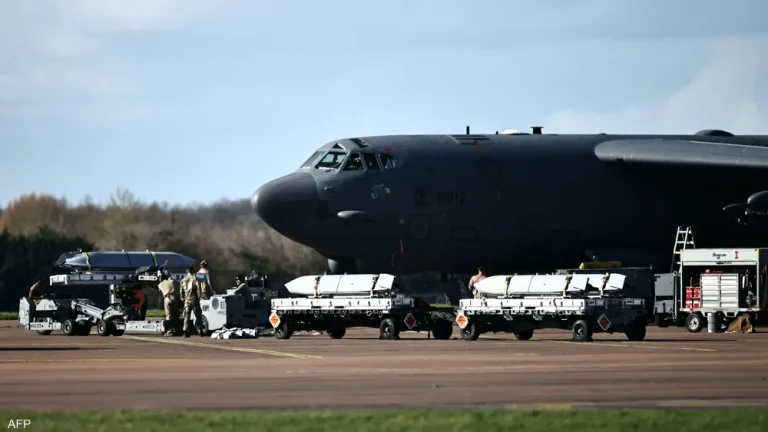
These talks do not come in a normal context, but in light of an unprecedented military escalation witnessed at the beginning of 2026, which made dialogue a more forced option than a pure political desire.
Since the outbreak of confrontations in the Gulf region, regional balances have entered a stage of severe confusion, which has been directly reflected on global energy markets and on the security of maritime navigation, especially in the Strait of Hormuz, which has remained for years a strategic pressure card in the hands of Tehran. In the face of this situation, Pakistan emerged as an unconventional mediator, benefiting from its balanced relations with the various parties, to succeed in bringing together two historical adversaries at one table, even under the ceiling of low expectations.
The ongoing negotiations reveal from their beginning the depth of the gap between the two sides. Washington enters this path with an eye on regional security and the Iranian nuclear program file, while Tehran focuses on lifting economic sanctions and restoring its sovereign margin, especially with regard to the maritime field. Between these two perspectives, other thorny files accumulate, including the effects of parallel conflicts in the region between Hezbollah, which is loyal to Iran, and Israel and the sovereignty of Lebanon, which makes any agreement fragile and liable to collapse at any moment.
Despite this complexity, the goals of the negotiations do not seem to be focused on achieving a comprehensive breakthrough as much as they seek to establish a minimum level of understanding that prevents slipping towards an open confrontation. This approach reflects an implicit understanding by both parties that the cost of war has become higher than the cost of negotiation, even if the latter is slow and limited in results.
In this context, several possible scenarios emerge. The first, which is the most realistic, is to reach a phased agreement that ensures the continuation of the truce and opens the door to subsequent rounds of negotiations, without resolving the major issues. This scenario gives all parties an opportunity to catch their breath without making major strategic concessions.
As for the second scenario, which is less likely, it is to achieve a comprehensive agreement that addresses the roots of the crisis, including the nuclear program and sanctions, which is an option that collides with a long history of lack of trust and conflicting interests. In contrast, the scenario of failure remains, especially if external factors such as escalation between Israel and Hezbollah in Lebanon and demands to withdraw its weapons and return sovereignty to the Lebanese army intervene. Failure to reach an agreement between Iran and America on this point may return the region to the square of tension and undermine all that has been achieved.
There is also a fourth scenario, more realistic in complex conflicts, which is to manage the crisis instead of solving it, that is, keeping the channels of dialogue open without reaching a final agreement, which is a model that has become familiar in modern international relations.
The importance of the Islamabad negotiations lies not only in the nature of the participating parties, but also in its broader implications, as it reflects a shift in the roles of some emerging countries such as Pakistan, which seeks to consolidate its position as a reliable mediator, followed by Turkey in the same role in the region, and also reveals the beginning of a reordering of the balance of power in the Middle East region, in light of the possibilities of other international parties entering the mediation line in the future.
These negotiations seem closer to a long test of intentions than a decisive station for solutions. Diplomacy here does not move in a vacuum, but within a complex network of interests and pressures, where success becomes dependent not only on what is agreed upon inside the closed halls, but also on what is happening outside of it from field developments.
Between the logic of escalation and the logic of de-escalation, Islamabad remains today a witness to a new attempt to favor the language of dialogue over the sound of weapons, which is supported by European countries despite their shy role in unraveling the threads of this crisis, which has burned the European economies. In a world that can no longer bear more open crises.