HIBAPRESS – Abdellatif Baraka
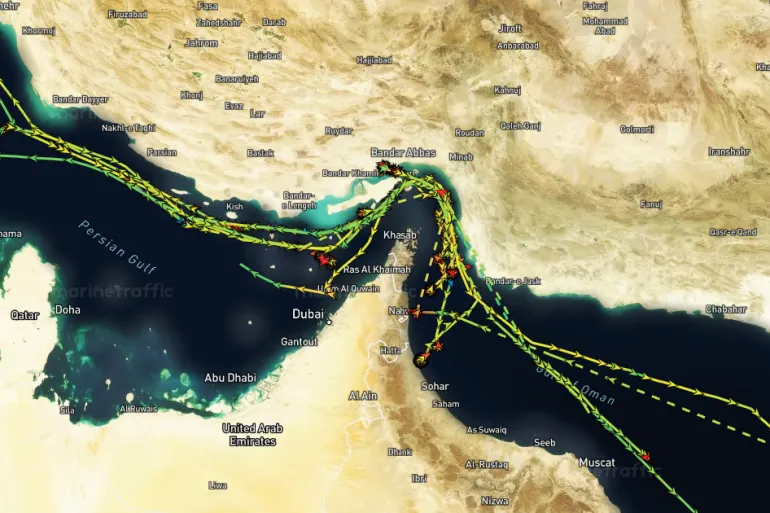
The Strait of Hormuz crisis has entered a new phase of escalation, after Iranian officials confirmed that the United States is demanding the immediate and safe opening of the strategic sea lane, while military and political tensions between the two sides continue.
According to consistent data, Washington has stressed the need to reopen the strait "quickly and immediately," considering that freedom of navigation in this vital passage is a red line, especially with indications of a gradual return of ship traffic in the region. This American pressure comes in a broader context of declared threats, as the US President confirmed that his country will not allow the continued disruption of navigation, hinting at the possibility of opening the strait "with or without Iran" if necessary. In contrast, Tehran is sticking to its position, setting conditions for opening the strait, including compensation for the damages it has incurred as a result of the military escalation, as well as its sovereignty over the strait and the payment of transit fees for oil and gas tankers, reflecting its adherence to using this crossing as a strategic pressure card in the face of the West. The Strait of Hormuz is one of the most important vital arteries for energy in the world, as a large percentage of oil and gas exports pass through it, making any disruption in it have direct repercussions on global markets and energy prices. On the ground, the task of re-securing navigation seems complicated, in light of reports indicating the possibility of the presence of naval mines and multiple military threats, which requires large and complex operations that may take a long time to restore the situation to normal. Washington is also working, according to international reports, to mobilize the support of its allies to secure the passage, through military arrangements that include air surveillance, mine sweepers and protection ships, in a step that reflects the seriousness of the situation and the possibilities of it slipping into an open confrontation. In light of these developments, the Strait of Hormuz remains a hotbed of tension that could ignite at any moment, between increasing American pressure and Iranian insistence on imposing its terms, which puts the region in front of open scenarios between de-escalation or explosion.