HIBAPRESS – Abdellatif Baraka
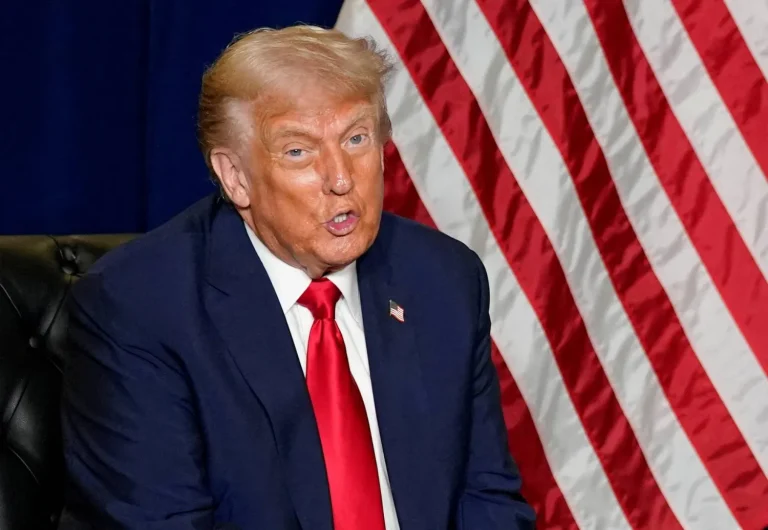
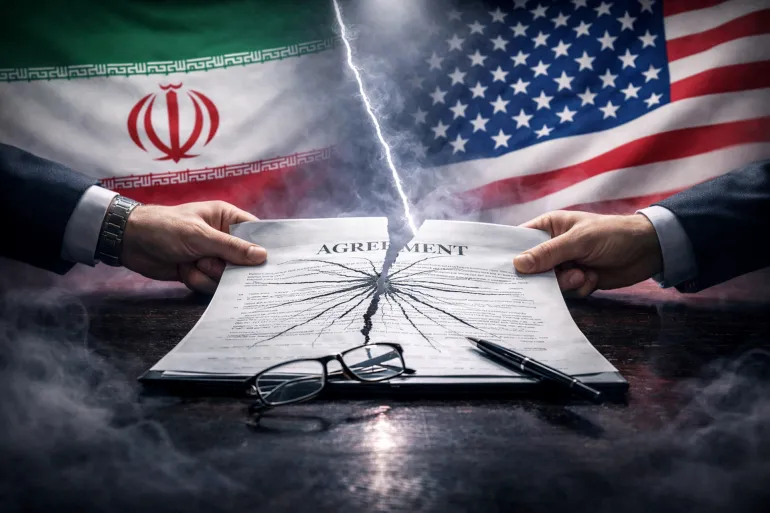
Eyes are turning to a new round of anticipated negotiations between the United States and Iran, amid an unprecedented escalation in the Middle East, and sharp statements from US President Donald Trump, in which he affirmed that lifting the siege on Tehran will only be done within the framework of a comprehensive agreement, rejecting what he described as Iranian "blackmail" policy.
These developments come in the context of escalating tension, after Iran closed the Strait of Hormuz and fired on commercial ships, a move that Washington considered a dangerous escalation that threatens the security of international navigation and global energy supply chains. In contrast, Trump stressed that his country will not allow Tehran to impose its conditions through field pressure, confirming that any agreement must ensure the cessation of activities that threaten regional stability. Despite this escalation, diplomatic channels remain open, as data indicate intensive movements of mediators, especially in light of talk about the possibility of reaching an agreement within a few days, with the continuation of indirect negotiations that have not yet led to decisive results due to deep disagreements over the nuclear program and lifting sanctions. In the same context, the US administration is studying flexible economic options, including the gradual release of frozen Iranian assets as part of a potential deal, but this step remains conditional on clear commitments from the Iranian side, especially with regard to nuclear activities and military escalation. The current scene reflects a fragile balance between escalation and calm. On the one hand, Washington is waving the sanctions and military force card, and on the other hand, Tehran is trying to use geopolitical pressure cards, headed by the Strait of Hormuz, to impose a stronger negotiating position. In light of this complexity, the upcoming negotiations seem decisive not only for the future of US-Iranian relations, but also for the stability of the Middle East, which today stands on the brink of a more sensitive stage in light of conflicting international interests and escalating security risks.