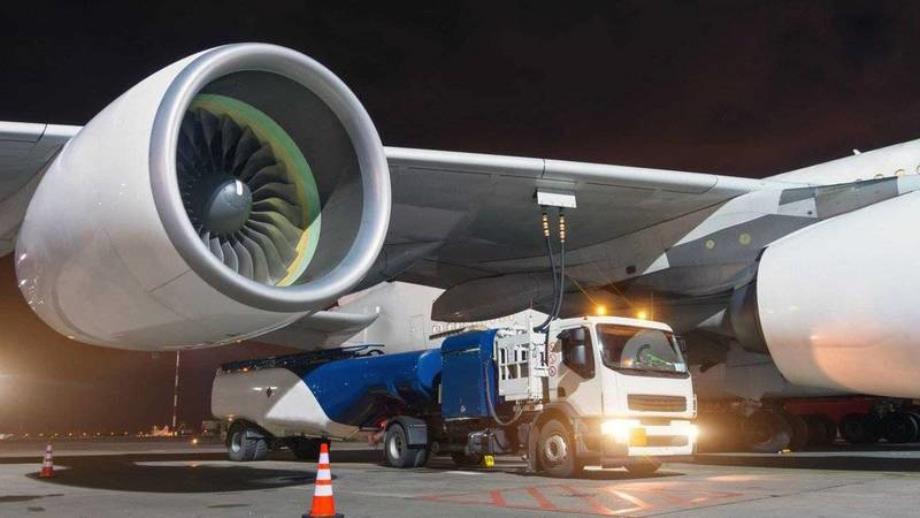
German Minister of Economy and Climate Protection, Katrin Göring-Eckardt, confirmed that energy supplies in Germany, especially aircraft fuel, are still secured so far, stressing that no shortage has been recorded within the country at the present stage.
Göring-Eckardt explained, in statements نقلتها الإذاعة العامة الألمانية, that the government had released quantities from the strategic oil reserve, including shares of aircraft fuel, while at the same time confirming that no excessive or unusual demand for these materials had been observed. In the same context, the Deputy Chancellor and German Minister of Finance, Lars Klingbeil, stressed that Berlin had taken preemptive measures to address the possibility of a fuel shortage, which the International Energy Agency had previously warned of, calling for the warnings related to the shortage of aircraft fuel to be dealt with “very seriously.” Klingbeil added that addressing the issue of prices alone is not enough, stressing that the security of supplies must remain at the heart of governmental concerns permanently, especially in light of the geopolitical fluctuations affecting energy markets. In a practical step, the German Ministry of Economy announced the holding of a joint meeting tomorrow, Monday, with the Ministry of Transport, with the participation of fuel suppliers, airport officials, airlines, and relevant unions, with the aim of following up on the developments of the supply situation and directly assessing any potential risks. These moves come in conjunction with the announcement by the European Union of the preparation of an emergency plan to address the risk of a shortage of aircraft fuel, which is based on restricting refining capacities within Europe and ensuring their operation at their full absorption capacity. The European steps came after warnings launched by European airlines and the Air Transport Union of the possibility of bottlenecks in supplies in the coming weeks, in the event that the supply from the Middle East continues to be disrupted, which may be reflected negatively on travel with the approach of the summer season. According to data from the International Energy Agency, Europe imports about 30 percent of its aircraft fuel needs, about 75 percent of which comes from the Middle East, which highlights the sensitivity of the European market to any long-term disruption in this region.