HIBAPRESS
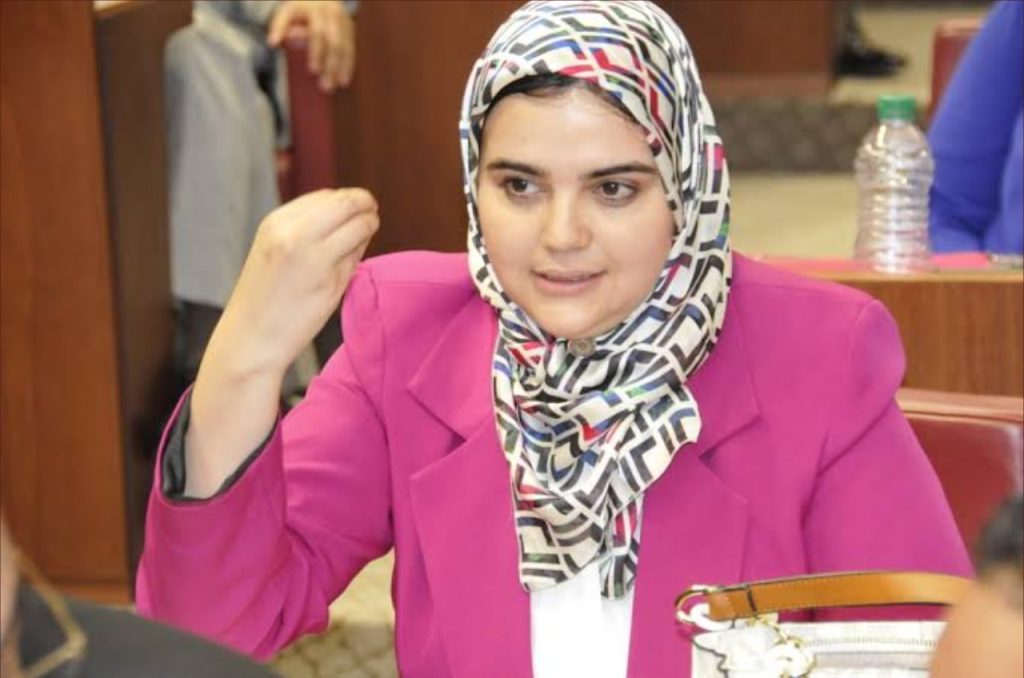
In a turbulent international context and a domestic one burdened with challenges, the government led by Aziz Akhannouch chose to make protecting the purchasing power of citizens a central priority, which Zineb Saimo, the parliamentary deputy for the National Rally of Independents party, considered an approach that reflects the essence of the government's political choices more than it reflects mere circumstantial measures.
Saimo explained that the government worked in an exceptional circumstance, marked by successive crises, from the Al Haouz earthquake to drought and floods, passing through the repercussions of the international crisis and the war in the Middle East, which are data that put great pressure on public finances, and obliged the state to mobilize additional resources outside the Finance Law. However, the spokesperson adds, the government did not engage in strict austerity logic, but rather chose an approach that balances the sustainability of public finances and the preservation of social stability. This choice was embodied, according to Saimo, in the continuation of support for basic materials, foremost of which is butane gas, where the state bears about 78 dirhams for each large-sized cylinder, within a monthly financial effort of about 1.6 billion dirhams allocated to support purchasing power, outside the Finance Law for the year 2026. Which reflects, in her words, a clear political will to alleviate the burden on Moroccan families, despite the cost to the budget. This approach was not limited to gas support only, but also included supporting electricity bills, and reducing the cost of fuel for passenger and goods transport professionals, which contributed to the stability of prices for basic services such as transportation, water and electricity. Saimo confirms that this stability was not the result of a circumstantial situation, but rather the result of well-considered decisions that spared Morocco more socially costly scenarios, such as those that forced some countries to adopt by restricting energy consumption and closing shops at early hours. In contrast, the parliamentarian points out that this policy did not prevent the government from achieving important economic results, as the tourism sector recorded record numbers by receiving about 20 million tourists in 2025, with revenues reaching 138 billion dirhams, which reflects the national economy's ability to recover and regain dynamism despite the constraints. Saimo concludes that the government's record cannot be reduced to numbers only, but must be read as a political choice based on protecting major balances, foremost of which is social cohesion, considering that the harmony of this record with the new development model and the government program confirms that what has been achieved is not just crisis management, but a gradual reform path that accumulates results in the direction of consolidating the social state.