

HIBAPRESS – Khalil Fazazi
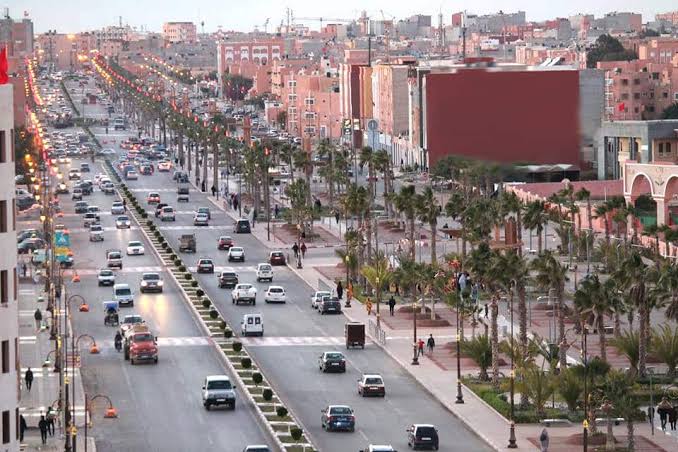
In light of the urban expansion experienced by Laayoune, the largest city in the Moroccan Sahara, the issue of public transport emerges as one of the most prominent challenges facing the residents of the eastern districts, as well as students of institutes and faculties, who are encountering increasing difficulties in their daily commute to their destinations.
Residents complain about the absence of public transport buses on several routes serving these districts, with the exception of the line connecting Laayoune and El Marsa, which leaves citizens with limited options, ranging from taxis to the informal transport locally known as "couer".
In light of this situation, citizens find themselves facing difficulties in utilizing taxi services, especially with some drivers refusing to transport two or more people to distant areas, due to what they consider constraints related to fares and high operating costs, most notably fuel prices.
On the other hand, some citizens resort to informal "couer" transport to bridge the gap in transportation, despite concerns about the safety of these means, especially in light of what is raised about the use of butane gas in some vehicles, the lack of insurance, as well as the potential risks of criminal exploitation of these means in theft or the promotion of illicit substances.
Faced with these constraints, the demands of the residents of the eastern districts and students of university and training institutions are renewed for practical and sustainable solutions to the transport crisis, by expanding the bus network and strengthening the lines that connect residential areas with educational institutions, administrations, and vital facilities.