HIBAPRESS – A. Mahyaoui
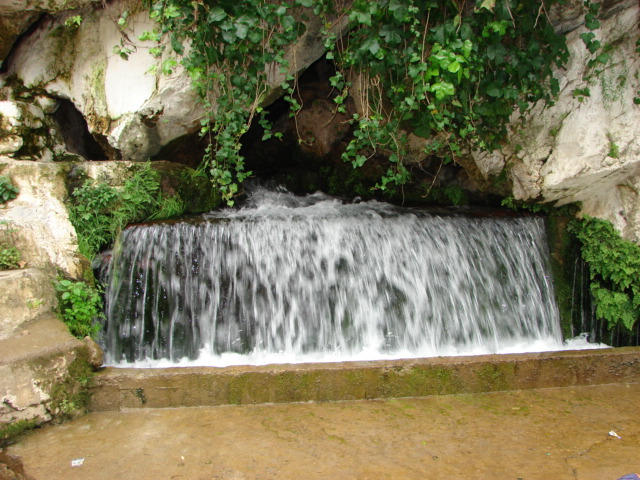
The project to harness the waters of Ain Bouadel in the province of Taounate offers promising potential to enhance economic and social development in the region, by valorizing local water resources and transforming them into a lever for investment and job creation. This is in a context where the need to establish productive projects capable of stimulating the local economy and improving the living conditions of the population is increasing.
The project, according to the data presented, is based on a vision that aims to reconcile investment promotion with the preservation of water resources, while emphasizing the necessity of respecting the legal and technical regulations governing exploitation, and ensuring that the rights of rights holders or the domestic and agricultural uses of water are not compromised.
Limited Water Flow and Monitoring Mechanisms
Among the data being used to support the project is that the flow allocated for industrial exploitation will not exceed, according to the announced figures, 3.38% of the spring's total flow, estimated at about 300 liters per second.
The same data also indicates that the water exploitation process will be subject to monitoring and tracking by the Sebou Basin Agency, through mechanisms for measuring quantities used and periodic declaration, in addition to contractual provisions aimed at ensuring adherence to authorized quantities.
Conversely, verifying these figures and the conditions for their application remains dependent on referring to the concession contract and the technical and official documents framing the project, especially regarding the volume of permitted flow, how it is calculated, and the measures adopted during periods of drought and water scarcity.
Protection of Water Rights is Central to the Discussion
The issue of preserving acquired water rights is highlighted as one of the main axes in the ongoing discussion about the project. The data presented confirms that the water allocated to the company will be drawn from the public water domain, not from the share allocated to rights holders.
The referred-to conditions also include provisions related to managing periods of water scarcity, and subjecting withdrawal operations to measures decided by the Sebou Basin Agency in accordance with applicable legislation.
These aspects are of particular importance in light of the challenges associated with water scarcity and successive periods of drought, making transparency in presenting data and clarifying legal and technical conditions essential for building trust and ensuring a balance between investment and the protection of natural resources.
Job Opportunities and Stimulating the Local Economy
The stakes associated with the Ain Bouadel water harnessing project are not limited to the industrial aspect, but extend to the economic and social opportunities it can provide for the region, whether through the creation of direct jobs or through activities related to transportation, technical services, supply, and maintenance.
Adopting a clear policy for employing the region's youth, along with providing vocational training and qualification opportunities and engaging local companies, would enhance the project's developmental impact and ensure broader community benefit from investment opportunities.
Furthermore, this initiative, if implemented with an approach that respects local specificities, can contribute to revitalizing the economic cycle of the Bouadel community, create new opportunities for youth, and enhance the region's attractiveness for other investments.
The importance of these stakes is further amplified by projects related to the rehabilitation of the Bouadel resort, and the opportunities that integration between industrial and tourism investment can offer to diversify economic activities and expand the base of local development beneficiaries.
Communication with the Community is Key to Project Success
Amidst economic stakes and water-related concerns, the need for clear and open communication with the local population emerges. This involves presenting official data related to water sources allocated to the project, the volume of authorized exploitation, monitoring mechanisms, and the guarantees in place to protect the rights of rights holders.
Involving elected officials, local actors, and community representatives in the discussion would also contribute to clarifying various aspects of the project and dispelling concerns based on accurate data, away from preconceived notions or positions not based on official documents.
The success of investment projects is not solely dependent on financial and technical capabilities, but also requires building trust with the social environment, and providing clear guarantees regarding respect for the law, preservation of natural resources, and achieving tangible benefits for the population.
In conclusion, the Ain Bouadel water harnessing project presents an opportunity for a responsible developmental discussion on how to valorize local resources and transform them into added economic and social value. This necessitates that all related data be subject to verification and transparency, ensuring the protection of water wealth and respect for existing rights, and making sustainable local development a common goal between investors, authorities, elected officials, and the population.