HIBAPRESS sources reported that efforts to reconcile the viewpoints between the United States and Iran are still ongoing despite the failure to hold direct meetings. This follows the decision of US President Donald Trump to cancel the visit of his envoys to Islamabad, while affirming that Tehran can communicate with Washington whenever it wants to reach an agreement.
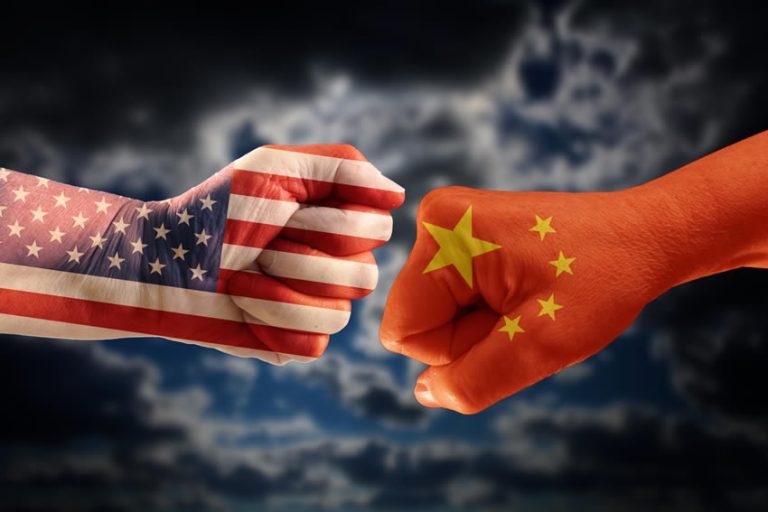
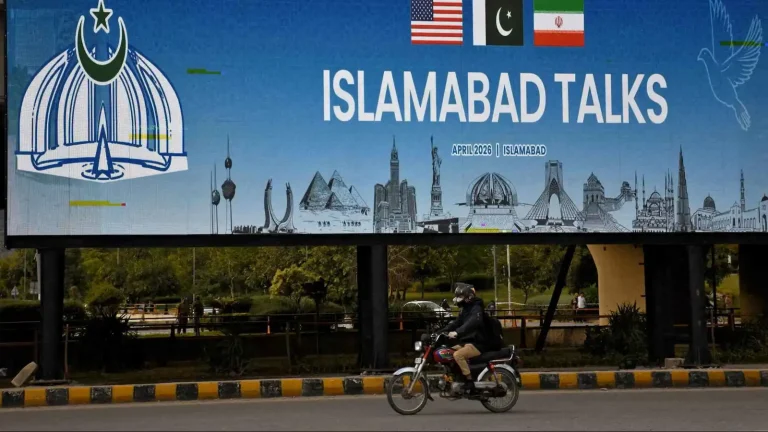
According to Iranian sources, Tehran has presented a new proposal based on a phased approach, prioritizing ending the war and opening the Strait of Hormuz, with the discussion of the nuclear file postponed to later stages. This proposal is unlikely to be accepted by the American side, which insists on including the nuclear issue at the core of any agreement from the beginning. The mediation efforts witnessed an additional setback after the cancellation of the visit of both Steve Witkoff and Jared Kushner to Islamabad, at a time when Iranian Foreign Minister Abbas Araqchi had visited the Pakistani capital twice in a row, before moving to the Sultanate of Oman and from there to Russia, where he met with President Vladimir Putin. In light of the continued divergence between the two parties, especially regarding the Iranian nuclear program and freedom of navigation through the Strait of Hormuz, oil prices continued their upward trend with the resumption of trading at the beginning of the week. During an interview with the program "The Sunday Briefing" on Fox News, Trump stressed that the terms of the agreement are "clear and simple," saying that Iran "cannot possess a nuclear weapon," adding that communication remains possible through direct channels. In contrast, Iranian sources clarified to Reuters that the proposal includes launching gradual negotiations, starting with stopping military operations and providing guarantees against their renewal, followed by steps to lift the American siege on Iranian ports, before moving on to other contentious issues, foremost of which is the nuclear program, with Tehran adhering to its right to enrich uranium for peaceful purposes. For its part, White House spokeswoman Olivia Wells confirmed that these files fall within "sensitive diplomatic discussions," stressing that Washington will not negotiate through the media and will not accept any agreement that does not guarantee preventing Iran from possessing a nuclear weapon. On the ground, the absence of any move to hold a direct meeting at the present time reflects the continuation of the stalemate, as the Pakistani authorities reopened streets in Islamabad that they had closed in anticipation of talks that did not take place, and the hotel that was allocated to host the meeting resumed receiving bookings. Pakistani officials confirmed that consultations are still ongoing remotely, without any near-term plans for a direct meeting, pending sufficient convergence to pave the way for the signing of a memorandum of understanding. In the background of this scene, Washington continues to pressure Tehran to abandon its stockpile of highly enriched uranium and stop enrichment activities, considering this an essential condition to prevent the development of a nuclear weapon, which is the goal it says is behind its military intervention. Despite reaching a ceasefire that ended the major combat operations in the war that broke out in late February, the absence of a final agreement on the terms of its end still keeps the tension ongoing, in light of wide economic repercussions that included rising oil prices and increasing global inflationary pressures. It seems that the two parties are undergoing an open test of wills, in light of the continued restrictions on navigation in the Strait of Hormuz, and the continued American siege on Iranian ships, which Tehran conditions to be lifted in order to return to the negotiating table.