HIBAPRESS – Mohamed Zeriyouh
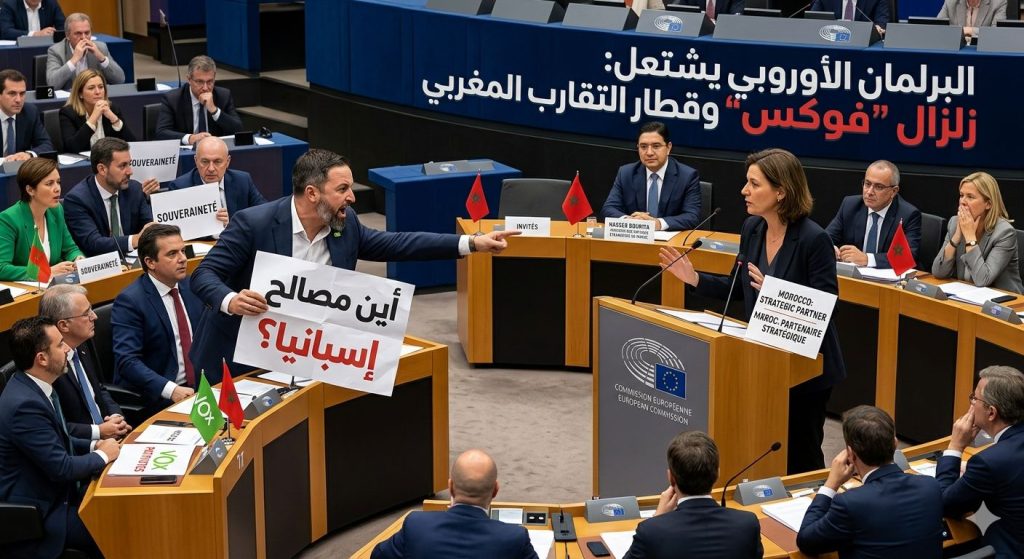
The Spanish party "Vox" has escalated its critical tone towards the accelerating pace of rapprochement between the European Union and the Kingdom of Morocco, expressing its concern about the explicit European support for the strategic partnership with Rabat.
This political move comes at a time when bilateral relations between the two sides of the Mediterranean are witnessing remarkable diplomatic momentum, met with apprehension by the right-wing party, which sees in this openness a threat to some traditional Spanish interests. Parliamentary questioning in the heart of Brussels. In a procedural step, the European deputy from the Vox party, Jorge Buxadé Villalba, transferred this debate to the corridors of the European Parliament, where he directed a package of written questions to the European Commission. Buxadé, who is under the banner of the "Nationalists for Europe" bloc, tried to directly link the continued flow of European support for Rabat with the file of the occupied cities of Ceuta and Melilla, demanding greater clarity in formulating relations with the Moroccan side. Criticism of "European trust" in Rabat. The Spanish parliamentarian stopped at the recent statements of the commission officials, who described Morocco as a "trusted partner" following high-level meetings with the Moroccan Foreign Minister Nasser Bourita. Buxadé expressed his reservations about Brussels' intention to expand areas of cooperation to include initiatives related to the Sahara file, considering that this European bias, in his view, exceeds the limits of the required balances in the region. Sensitive files on the table of discussion. The questioning of the right-wing party did not fail to raise sensitive technical and sovereign files, where it accused Rabat of exerting pressure on Madrid on the file of the occupied cities, pointing to alleged obstacles in the movement of border trade and irregular migration flows. The deputy also included the file of the demarcation of maritime borders off the Canary Islands in the context of his questions, demanding that the Commission reveal the extent of the presence of these issues in the official discussions to ensure the protection of Spanish interests. Conflict of agendas between diplomacy and opposition. This move reflects a state of division within the Spanish political scene towards the "diplomatic dynamics" that Rabat is successfully leading on the old continent. While the European Commission is moving forward in strengthening its alliance with Morocco as a pivotal regional partner, opposing Spanish political forces are trying to put brakes on this path by raising sovereign and border concerns, which puts the future of joint agreements under the microscope of internal partisan conflicts.