HIBAPRESS – Abdellatif Baraka
The Socialist Union of Popular Forces party is witnessing a delicate stage in its political history, especially at the level of the Souss-Massa region, which until recently was one of its most prominent electoral and organizational strongholds. From Agadir to Ait Melloul, Taroudant, and then Chtouka Ait Baha, the party managed for decades to establish its presence through a network of local elected officials and political figures who played pivotal roles in managing public affairs.
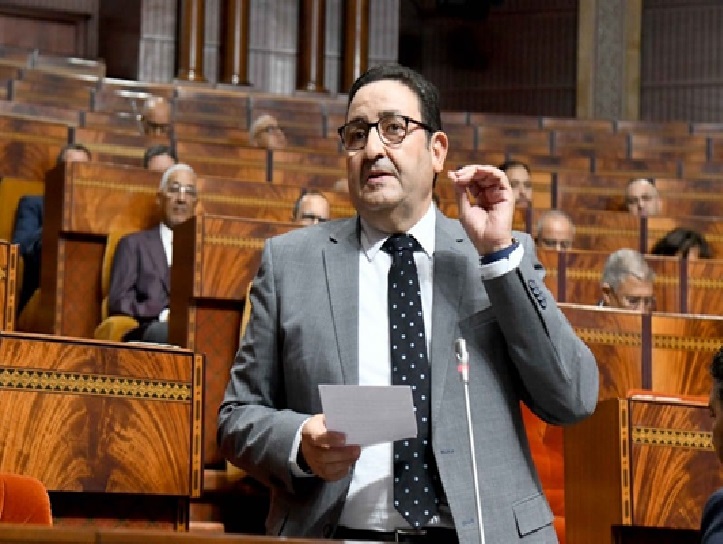
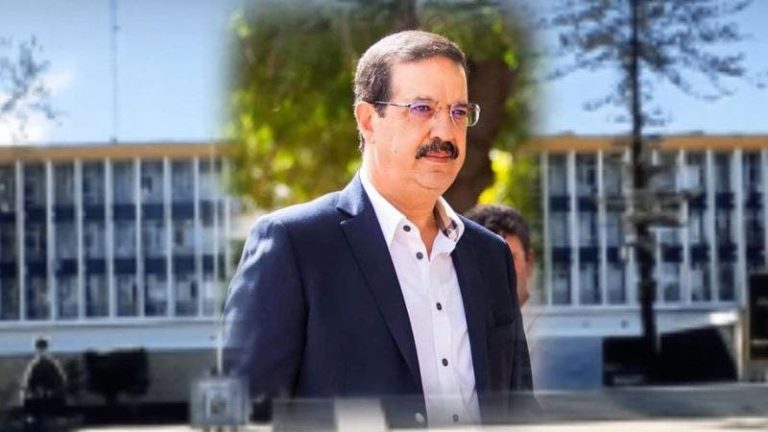
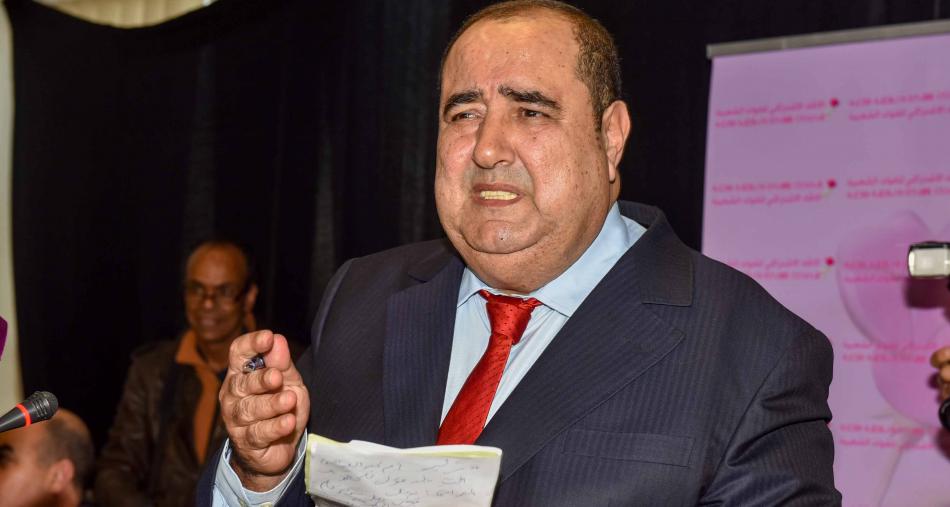
However, this territorial extension has begun to gradually erode in recent years, in light of profound changes in the Moroccan party scene, and also as a result of internal imbalances that have affected the cohesion of the party and its mobilization strength. The refusal of the independent parliamentarian, Al-Houssaine Azouka, to return to the party's ranks, despite attempts to attract him, reflects the limited ability of the current leadership to regain the competencies and faces that left the organization in previous stages. Idriss Lachgar, the party's First Secretary, is leading efforts to rebuild the organization and revive its political presence, but these efforts are colliding with a difficult field reality, where converging indicators indicate a decline in the party's attractiveness among local elected officials, especially in the Souss-Massa region. After the "Rose Party" was a difficult number in the electoral equation, it is today threatened with losing a number of territorial groups that it has managed for decades. Unofficial data speaks of the intention of a number of prominent names within the party to leave its ranks in the context of the upcoming elections, which may deepen the crisis of the organization and weaken its chances of maintaining its traditional positions. This potential bleeding is not only related to electoral factors, but also reflects an internal crisis of confidence, and a decline in the ability to produce new elites capable of renewing the political discourse and keeping pace with the social and economic transformations that the region is experiencing. In contrast, competing parties are benefiting from this situation, by attracting local elected officials and strengthening their positions within the region, benefiting from organizational dynamism and greater electoral resources. This raises real questions about the future of the Socialist Union of Popular Forces party, not only in Souss-Massa, but also at the national level. Between the bets of internal renewal and the pressure of the upcoming elections, it seems that the party is at a decisive crossroads: either succeed in restoring its organizational balance and regaining its historical weight, or continue to lose its traditional strongholds, which may turn it from a central actor into a party that gathers the diaspora in the Moroccan political map.