HIBAPRESS – Abdellatif Baraka
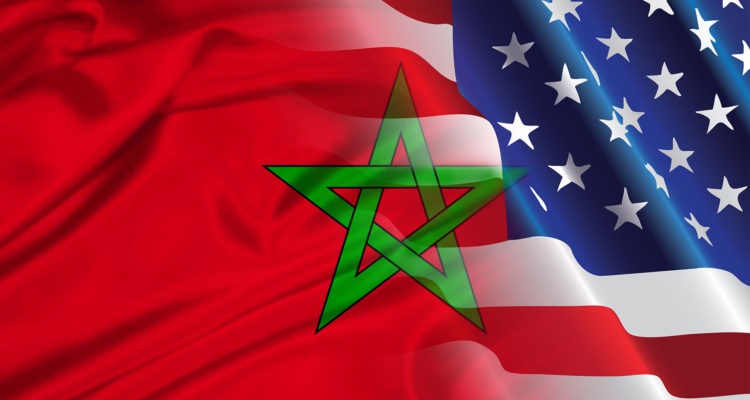
The relationship between Morocco and the United States of America is based on a deep overlap between political geography and strategic interests, where Rabat is not only seen as a regional partner, but also as a pivotal actor in reshaping balances across the Atlantic and the Afro-Mediterranean space.
Morocco derives its importance from its exceptional geographical location, as a bridge between Europe and Africa, and a strategic corridor towards the Atlantic Ocean and the Strait of Gibraltar, making it a focal point in the American vision for maritime and commercial security.
However, this importance was further enhanced with the political transformations that the region witnessed, especially after Washington's decision in 2020 to recognize Morocco's sovereignty over its southern territories, in a context related to the Abraham Accords, which gave Rabat unprecedented diplomatic support and consolidated its position as a reliable ally in North Africa.
Within this framework, Morocco enjoys the status of a "major non-NATO ally," a strategic position that gives it advanced military and security advantages, including facilities in acquiring military equipment, close intelligence cooperation, in addition to benefiting from support and training programs.
This partnership is highlighted in the "African Lion" maneuvers, which are among the largest multinational military exercises on the continent, and reflects the level of operational coordination between the armed forces of the two countries.
On the economic side, the Free Trade Agreement signed in 2004 forms one of the pillars of this relationship, as it opened markets for the flow of goods and investments, and gave Morocco competitive advantages in exporting to the American market.
This agreement has also strengthened the Kingdom's position as an industrial and logistical platform directed towards Africa, especially in the automotive, aviation, and renewable energy sectors, making it a strategic economic partner in confronting Chinese and Russian expansion in the continent.
As for the armament and support programs, Morocco has benefited from advanced military deals that include fighter jets and advanced defense systems, in addition to programs to modernize the armed forces, which enhances its ability to play a regional security role.
This dynamic falls within an American vision that considers Morocco a pillar of stability in the Sahel and Sahara region, which is witnessing an increase in terrorist threats and security fragility.
Diplomatically, Morocco stands out as an active player in supporting American policies in the Middle East, benefiting from its position as the head of the Al-Quds Committee, where it maintains a delicate balance between engaging in peace paths and defending Palestinian rights. Rabat is also seen as one of the contributors to dialogue and coexistence initiatives, which enhances its image as a trusted mediator in the region's issues.
In a broader context, Morocco's historical role as one of the supporters of the principles of collective security and international cooperation is evoked, where its early involvement in international alliances is sometimes referred to as part of the dynamic of building an international system based on stability, which explains its presence in a number of multilateral initiatives related to peacekeeping and counter-terrorism.
Despite the strength of this relationship, it remains subject to changing challenges, including changing priorities of American administrations, the increasing intensity of international competition in Africa, as well as the complexities of regional files. However, Morocco succeeds in maintaining its position as a strategic partner thanks to pragmatic diplomacy based on diversifying partnerships without compromising on basic alliances.
The political geography of Morocco in its relationship with the United States reflects an overlap between location and function. Morocco's geographical location is exceptional, giving it an advantage, and its political and security function makes it a pivotal actor in American strategy.
Between diplomatic recognitions, military privileges, and economic partnerships, this relationship is consolidated as one of the pillars of balance in a region living in the wake of rapid transformations.