HIBAPRESS
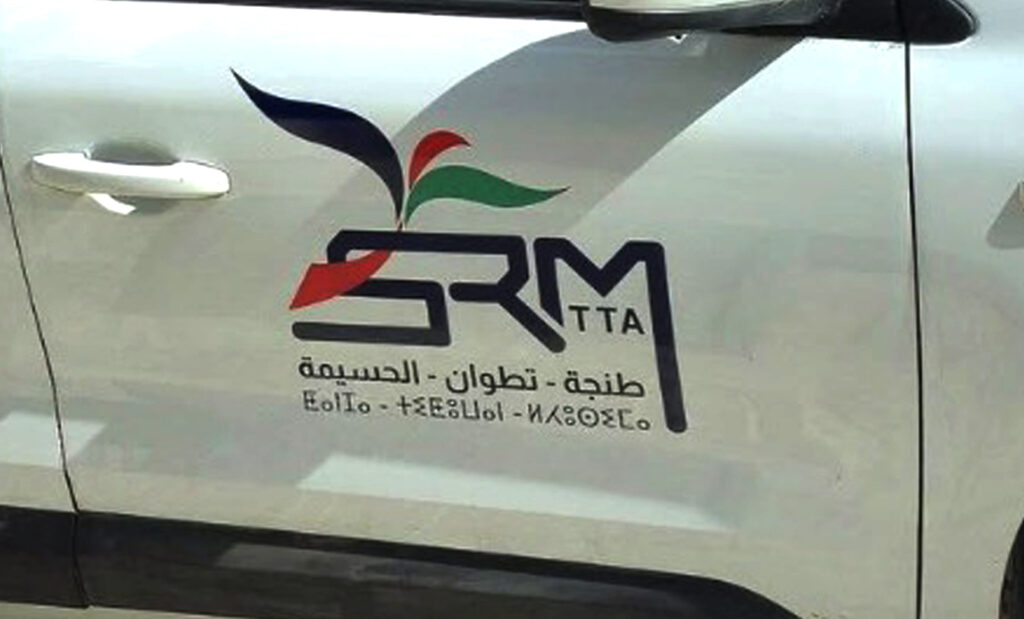
Amidst the transformations occurring in the public utilities management sector in Morocco, the Regional Multi-Service Company in the Tangier-Tetouan-Al Hoceima region has emerged as a new player entrusted with managing water, electricity, and liquid sanitation services. This is within the framework of implementing Law No. 83.21 concerning regional multi-service companies. The company officially announced the launch of its activity starting from September 1, 2025, with promises to modernize services and enhance governance and efficiency.
However, the new policy adopted by the regional administration has sparked a wave of discontent among professionals and stakeholders in the sector, especially due to the reliance on unilateral decisions made without involving professional actors or opening the door to dialogue and consultation with them. Instead of adopting a participatory approach that takes into account the experience of professionals and their field observations, a series of decisions are being issued from above, creating a state of tension and distrust between the administration and professional partners.
Among the most prominent points that have angered the professionals are the frequent and sudden changes imposed by the administration on the equipment and goods approved for works and services, without prior notice or coordination with the concerned professionals. Professionals wake up overnight to new decisions that require them to change the materials and equipment they are accustomed to using, despite having a large stock of them in their warehouses and commercial stores, which caused significant financial losses for a number of contractors, traders, and professionals who invested their money in these goods according to the previous approved standards.
Professionals confirm that these hasty decisions do not take into account the economic and social aspects of the professionals, nor do they respect the principle of professional stability, especially in light of the difficult economic conditions and rising investment and equipment costs. Furthermore, closing the door to dialogue and refusing to listen to the demands of professionals has increased the intensity of the resentment within the sector, and has begun to threaten the stability of a number of companies and activities related to this vital field.
Although the regional company announced since its inception that it relies on the principles of transparency, proximity to citizens, and the modernization of infrastructure, the practical practice requires the need to translate these slogans into practical measures, the most prominent of which is opening communication channels with professionals, listening to their proposals, and involving them in decision-making related to the management of the sector.
In this context, professionals appeal to the Minister of Interior, the Governor of the Tangier-Tetouan-Al Hoceima region, and the prefects of the provinces in the Tangier-Tetouan-Al Hoceima region, in order to intervene urgently to find fair solutions, and open a serious and responsible dialogue with various professionals and stakeholders, in order to put an end to these unilateral decisions that have caused significant material and moral damages, and to work on restoring trust and ensuring the stability of the sector in a way that serves the public interest and regional development.