HIBAPRESS – Ahmed Al-Musaid
On the occasion of the upcoming blessed Eid al-Adha for the year 2026, the National Office of Food Safety (ONSSA) has intensified its field, awareness, and communication efforts to ensure that this religious ritual takes place in the best health conditions. In this context, the office has launched a package of guidelines directed to consumers, which includes all stages, starting from choosing the sacrificial animal up to the proper methods of preserving meat, reinforcing this by opening direct communication channels to provide immediate support to citizens throughout the days of Eid.
The "ONSSA" authorities have emphasized the need for consumer awareness of health standards when purchasing the sacrificial animal, to ensure that it is free from diseases, and have identified the basic indicators in the following points:
Vitality and Activity: The sacrificial animal should have a natural movement full of activity, avoiding sheep that show lethargy or introversion.
Apparent Safety: The sacrificial animal should be free from unnatural discharges (such as from the nose or eyes), and the absence of symptoms of coughing, colds or diarrhea.
Freedom of the body from swellings: Ensure the absence of any unnatural swelling, especially in the left side of the abdomen, or the area under the head, and above the legs.
Thermal monitoring: Ensure the absence of unusual redness in the eyes, and that the temperature of the ear walls is normal.
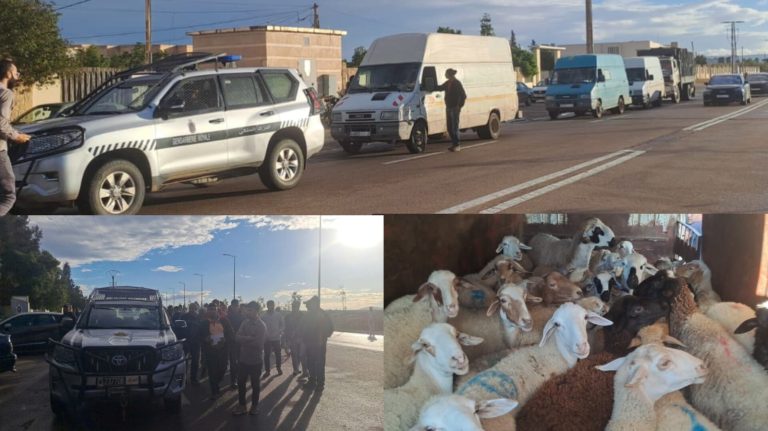
The office also stresses the importance of "safe transport" of the sacrificial animal to avoid thermal or physical exhaustion, with the need to house it in a clean, ventilated place, protected from direct sunlight and climatic fluctuations before the day of Eid.
In a step aimed at reducing the phenomenon of meat spoilage and maintaining its quality, the technical experts of the office provided a protocol for dealing with the sacrificial animal after the slaughtering and skinning process:
1. Drying stage of the sacrificial animal (ventilation):
Immediately after skinning, it is recommended to leave the "carcass" hanging in a clean and ventilated place, away from dust, sunlight and pollutants, for a maximum of 5 hours to avoid the proliferation of bacteria.
2. Conditions for cutting and transporting meat:
When you want to transport the carcass to the butcher, it must be wrapped in a completely clean cloth and placed in a dedicated container (a clean tub or bucket) and transported quickly, and you must make sure that the commercial store is clean, the butcher's outfit, and the cleanliness of the equipment used, and it is recommended to cut the carcass into small pieces to ensure that cooling reaches the internal parts of the meat quickly and efficiently.
3. Packaging, preservation, and freezing:
Packaging: Place the pieces in transparent food bags intended for freezing immediately upon arrival at home; refrigerator/freezer arrangement: The bags are placed inside the freezer, leaving sufficient spaces between them to ensure the flow of cold air and its access to all the pieces equally, and the accumulation and stacking of meat on top of each other randomly is prohibited, and the carrying capacity of the cooling device must be respected to ensure quick and safe freezing.
As part of the office's policy of proximity and listening, "ONSSA" announced the establishment of a special communication mechanism to receive citizens' questions and report any suspicious cases or inquiries regarding the quality of meat and sacrifices, via the dedicated phone number: 0801003637, with working hours throughout the Eid period, starting from eight in the morning until eight in the evening, In addition to the call center, the office places its official platforms through social media sites (onssamaroc / onssacom) at the disposal of the public for instant monitoring.
On the regulatory side, the "ONSSA" teams continue to intensify their field trips and preventive monitoring operations in fattening farms to ensure the safety of feed and drinking water for sacrifices, by mobilizing all frameworks and veterinarians to ensure field support throughout the days of Eid.
This comprehensive plan comes in line with the national health safety strategy, which aims to make Eid al-Adha an occasion that combines joy and adherence to high health and environmental standards.