HIBAPRESS – Muhammad Zariouh
The Kingdom of Morocco and Spain are preparing to launch the "Marhaba 2026" season, in an exceptional edition where logistical requirements intersect with the rigor of technology, which puts the two countries before a precise field test that requires a delicate balance between the flow of passage and the necessities of modern border control.
This season comes laden with notable organizational variables, foremost among them the activation of the new European Entry/Exit System, which relies on advanced biometric control and strict digital verification, which imposes a different technical reality on all strategic crossings and ports.
This digital system takes the ports of Algeciras and Tarifa, as well as the crossings of Ceuta and Melilla, as its main centers of focus; where the travel documents of members of the Moroccan community will be subject to ultra-fast technological scrutiny, which aims to regulate the security rhythm at the international crossing gates.
While this technical approach aims to enhance security protection, monitoring circles do not hide their concern about the potential consequences on the level of traffic flow, specifically the fear of bottlenecks in waiting periods, especially in front of newcomers who will have to fulfill biometric registration procedures for the first time.
The occupied city of Melilla stands out as one of the most influential points in this logistical equation, given the nature of the traffic pressure it witnesses annually, which puts the concerned authorities before a double responsibility to ensure that the comfort of travelers is not affected by these accelerated procedural transformations.
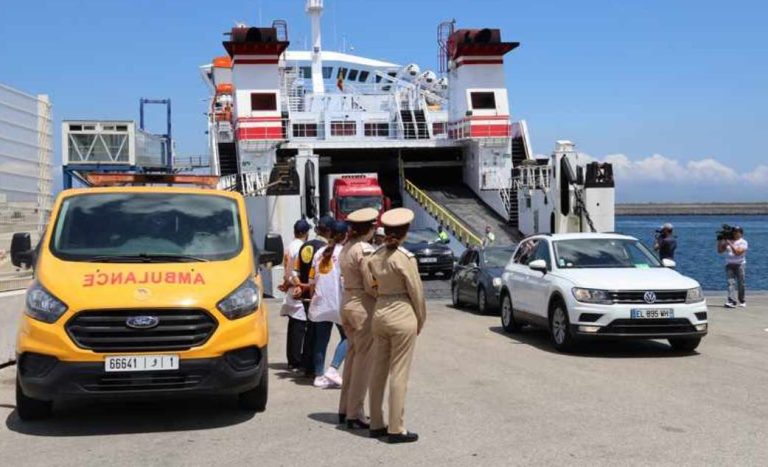
In response to these bets, Rabat and Madrid announced a comprehensive mobilization of human and technical resources, with plans to raise the absorption capacity of the naval fleet, in anticipation of an expected growth in the flow of passengers and vehicles by 3 percent compared to the past season.
A high-level coordination between the security services and port interests is currently taking place, to invoke the historical achievements of the "Marhaba 2025" operation – which saw the passage of 3.5 million people and adapted it to serve the 2026 version, with a mechanism that guarantees travelers an experience of passage that combines the rigor of the law and the ease of procedures.