HIBAPRESS – Mohamed Zerouih
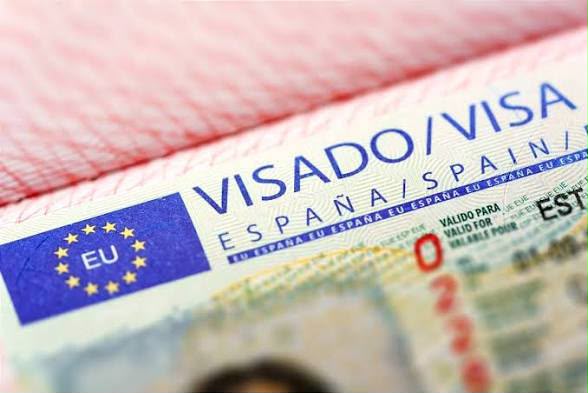
The far-right "Vox" party in Spain has sparked a new political debate after submitting a formal proposal to the Congress of Deputies, calling for a halt to the issuance of visas to Moroccan citizens.
This controversial move links the resumption of visa issuance to Morocco issuing a formal declaration explicitly recognizing Spanish sovereignty over the occupied cities of Ceuta and Melilla, in addition to a number of islands and territories located in North Africa.
This move materialized in a non-binding proposal put forward for discussion within the Foreign Affairs Committee of the Spanish Congress of Deputies. The proposal requires a clear and official stance from Rabat regarding the status of Ceuta and Melilla, as well as the Chafarinas Islands, Peñón de Vélez de la Gomera, Perejil Island, and the Alhucemas Islands and rocks, reflecting the party's aim to escalate diplomatic pressure through the gateway of territorial integrity.
The tabling of this proposal comes in a context characterized by escalating political tensions within Spain concerning the nature of relations with the southern neighbor, particularly regarding migration issues and the practical management of Ceuta.
In its accompanying memorandum, the "Vox" party directed sharp criticism at Morocco, claiming it does not act as a loyal partner and holding it responsible for the developments that occurred in the city of Ceuta during July last year.
The controversial proposal is not limited to freezing visas, but extends to demanding stricter restrictions related to the entry of Moroccan citizens into Spanish territory in general.
These proposed restrictions include strict measures concerning entry, transit, and residency conditions, in line with the party's known anti-immigration and anti-foreigner flow stances.
Despite this political uproar, it must be emphasized that this is merely a partisan initiative presented by an opposition organization within parliament, and is not at all related to a decision issued by the Spanish government.
Consequently, the presentation of the proposal carries no immediate executive authority and remains confined to the realm of political bargaining and parliamentary maneuvering within the Foreign Affairs Committee.
In the same context, data obtained from Spanish consular services in Morocco confirms that matters are proceeding normally, with consulates continuing to receive and process visa applications according to previously established procedures and categories.
Any potential amendment to visa policy remains exclusively subject to the institutional process and sovereign decisions taken by the relevant governmental and European authorities, far from the pressures of radical parties.