HIBAPRESS – Abdel Latif Baraka
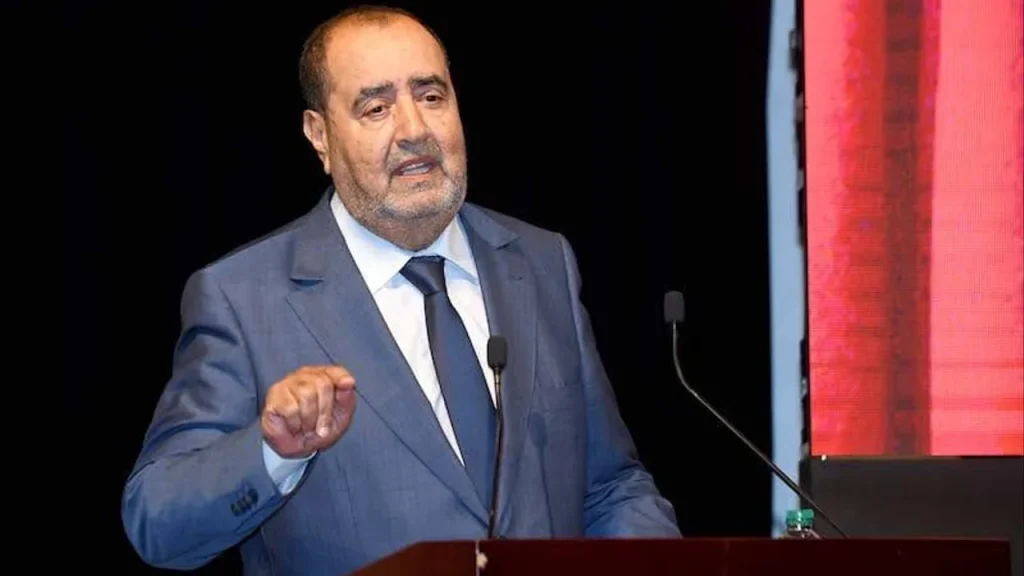
While a number of national party leaders have chosen to take to the field and organize rallies to support their candidates in various regions of the Kingdom, the absence of Idris Lachkar, the First Secretary of the Socialist Union of Popular Forces (USFP), from organizing any electoral rally in Agadir and Souss Massa raises a significant political and organizational question, especially since the region has been one of the party's most prominent electoral strongholds for decades.
The national leaders of competing parties were keen during the election campaign to be present in public squares, address voters, and support their candidates. Lachkar, however, chose electoral stops in a number of cities and regions, including Rabat, Marrakesh, and the East, without the campaign, until the final hours, featuring a similar stop led by the First Secretary of the USFP in Souss. This absence raises a legitimate question about the position of Agadir, Taroudant, and the other constituencies of the region in the current electoral and organizational calculations of the party.
The significance of this question increases considering the electoral history of the USFP in Souss, where the party has maintained a strong presence in the regional political landscape for many years, before the electoral map changed and its share of seats and influence declined. Therefore, the absence of national leadership from a major unionist mobilization in the region cannot be considered a mere passing detail, even if it is due to considerations related to campaign management and the visiting schedule.
The question that arises today is not whether Idris Lachkar has abandoned the Souss candidates, as that requires clear data, but rather why this region, with its historical symbolism for the USFP, has not been given a central electoral rally for the First Secretary, similar to other rallies where Lachkar chose to appear alongside his party's candidates and mobilize support for them.
Some may believe that the Unionist leadership is relying on local organizations and the candidates themselves to fight the battle in Souss, or that the First Secretary's schedule does not allow for the same level of presence in all constituencies. These are possible hypotheses in the absence of an official clarification outlining the reasons for not organizing a central electoral rally in Agadir, at least.
However, in politics, presence and absence also have their symbolic significance. Souss, which in earlier stages of the USFP's electoral history was more than just an electoral constituency, awaits today to know its position in the party's new calculations, especially in light of strong electoral competition and the multiplicity of names and lists seeking to attract voters.
As the campaign continues in its final hours, the question remains open: does the absence of national leadership from Souss represent merely a choice in managing the election round, or does it reflect a shift in the order of priorities within the USFP? The political answer to this question will not be determined by interpretations, but will be contributed to by the results of the ballot boxes on September 23rd, and what they reveal about the extent of Unionist presence in Agadir, Taroudant, and the other constituencies of Souss Massa.