

HIBAPRESS – Khalil Fezazi
The "Sahrawis for Peace" movement warned of the repercussions of the Polisario Front's threat to suspend its cooperation with Staffan de Mistura, the Personal Envoy of the UN Secretary-General to the Moroccan Sahara, considering that taking this step could hinder international mediation efforts and weaken chances for a political solution to the conflict.
The movement explained, in a statement addressing the Polisario's letter dated October 12, that the threat to cease cooperation with the UN envoy represents, in its estimation, a hasty stance that could have negative repercussions on the negotiation process, especially in light of diplomatic efforts aimed at pushing towards a political settlement.
The movement recalled Security Council Resolution 2797, noting that the Polisario's acceptance of it about a year ago had, according to its interpretation, sent new hopes to Sahrawi refugees for the possibility of launching a different political path that opens the way for a solution to the conflict.
The movement also linked its warnings to previous experiences, including the Polisario's withdrawal from the ceasefire agreement, considering that unilateral decisions could affect the Front's political and diplomatic standing and limit the chances of reaching a consensual settlement based on negotiation and the exchange of concessions.
In its interpretation of international developments, the movement noted the growing diplomatic efforts, particularly US moves aimed at pushing towards a political solution, considering that the current stage could offer an opportunity for progress, provided communication with the United Nations continues and steps that could disrupt mediation efforts are avoided.
The importance of this discussion increases with the approaching Security Council meeting scheduled for the end of October, which is expected to address the developments of the Moroccan Sahara file and the mandate of the UN mission "MINURSO." Any escalation in the relationship with the Personal Envoy, according to the movement's position, could further complicate his mission and reduce the margin for diplomatic action.
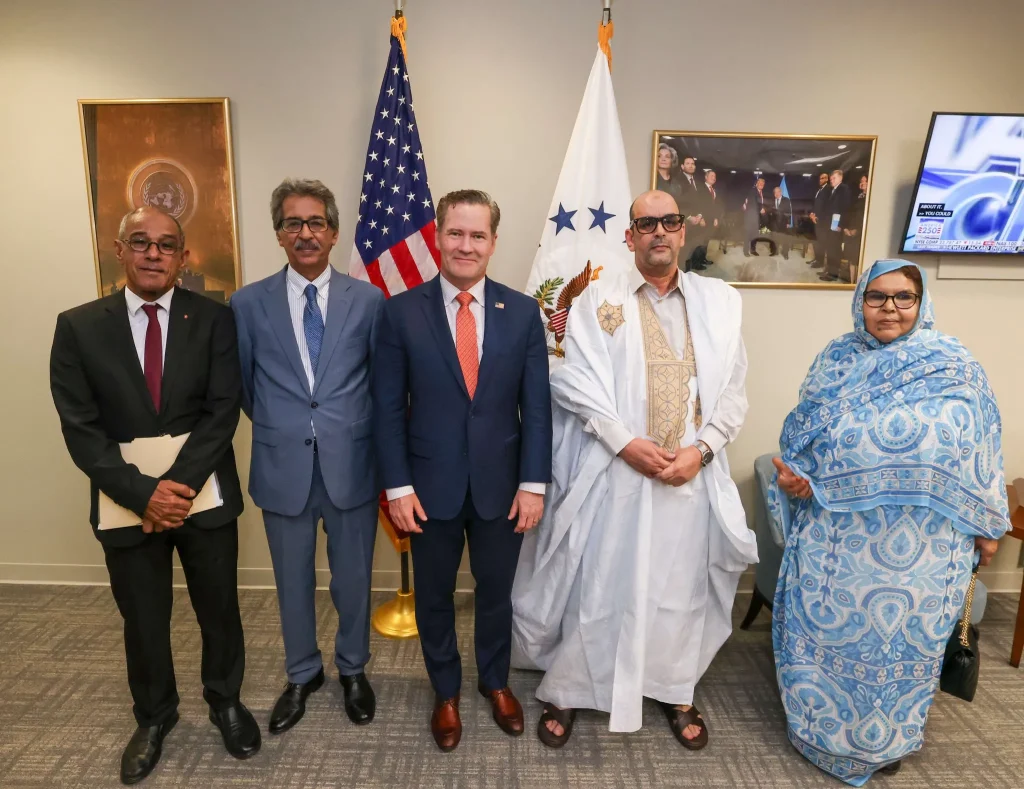
In another aspect, "Sahrawis for Peace" called for the inclusion of its representatives in the upcoming stages of the political process, emphasizing that the future of the Sahrawis should be the subject of broader discussion, allowing for multiple voices and positions, and not be limited to one party.
The movement's position places the issue of continued dialogue and expanded political participation at the core of the discussion about the future of the settlement, at a time when attention is focused on upcoming UN moves and the extent to which the concerned parties can maintain communication channels and leverage diplomatic efforts towards a sustainable political solution.