HIBAPRESS Abdel Latif Baraka
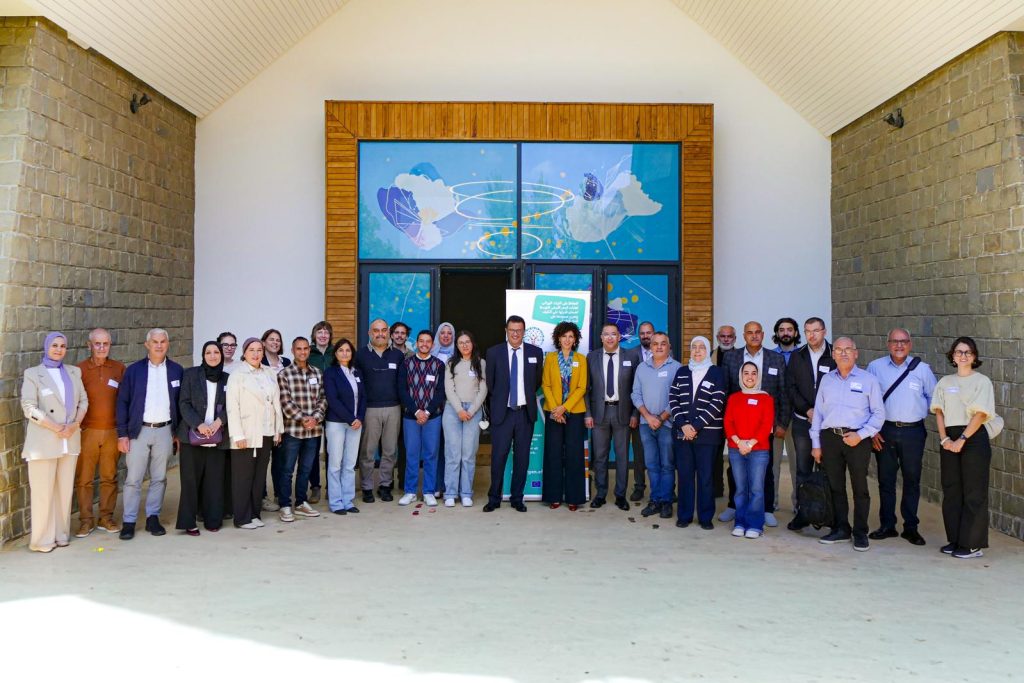
The Ifrane National Park hosted, on October 20 and 21, 2026, a regional workshop for trainers in forest inventory, with the participation of over 30 experts, researchers, and professionals from South and East Mediterranean countries. The aim is to develop expertise related to monitoring forest genetic diversity, protecting it, and enhancing its capacity to cope with climate change.
This initiative is part of the Mediterranean Forest Genetic Resources Network (MEDFORGEN) project, organized by the European Forest Institute with funding from the European Union, in collaboration with the National Agency for Water and Forests, the Spanish National Research Council, and Mohammed V University in Rabat. The workshop combined theoretical presentations and practical applications to introduce forest inventory methodologies that consider the genetic dimension in studying tree populations and tracking their evolution.
Omar Rabhi, Head of the Forest Innovation, Research, and Training Center at the National Agency for Water and Forests, and the national representative for the project, affirmed that Morocco hosting this session reflects the expertise accumulated by the Kingdom in forest inventory, particularly in monitoring and conserving Atlantic cedar populations. He pointed out that the Ifrane National Park provides a suitable framework for developing a common regional approach in this field.
In addition to transferring scientific and technical knowledge, the training focused on ensuring its sustainability and expanding its benefits in participating countries by providing field kits to help trainees apply the adopted methodologies and transfer them to students, forest technicians, and various stakeholders. The role of universities in integrating these techniques into educational programs and supporting new generations of students in collecting and updating field data to enable long-term monitoring of forest evolution and genetic diversity was also emphasized.
These efforts are of increasing importance given rising temperatures, recurring droughts, and growing fire risks. Genetic diversity is a key factor that helps Mediterranean forests adapt to climatic pressures and resist new pests. Its integration into inventory processes also improves the assessment of tree population status, providing more accurate scientific data to guide decisions for the protection and sustainable management of forest resources.
In this context, Magda Bou Daghr Kharat, MEDFORGEN Project Coordinator and Head of the EFI Mediterranean office, explained that forest inventory is a key tool for monitoring forest status, but genetic diversity often does not receive sufficient attention within these processes, despite its role in enhancing trees' ability to adapt to drought, heat, and pests. She added that the workshop aims to establish a common methodology and train a network of trainers capable of applying standardized protocols in their respective countries.
For his part, Juan Pedro Castro, Programme Officer at the Directorate-General for the Middle East, North Africa, and the Gulf of the European Union, highlighted that project support aims to strengthen local capacities and develop applicable knowledge, thereby enhancing the region's countries' ability to confront the impacts of climate change and preserve forest genetic resources as an environmental, cultural, and economic asset.
This initiative aligns with the strategic orientations of the "Morocco Forests 2020-2030" program, overseen by the National Agency for Water and Forests, which aims to protect and enhance the national forest heritage and strengthen the resilience of ecosystems to climate change. It also reflects the importance of scientific research, capacity building, and knowledge exchange in improving forest management practices and anticipating risks that threaten forests.
Through this first regional trainer-of-trainers course, the MEDFORGEN project aims to standardize forest inventory practices and enhance scientific cooperation between South and East Mediterranean countries, contributing to improved knowledge of forest genetic resources, the conservation of biodiversity, and the strengthening of Mediterranean forests' capacity to adapt to climate change.