HIBAPRESS – A. Mahyaoui
Interest in the province of Tawna continues in road infrastructure projects, as they are a fundamental lever for promoting spatial development and improving citizens' travel conditions. Foremost among these is the project to double National Road No. 8, connecting Fes and Tawna, which is relied upon to develop traffic flow and strengthen the link between the province and its regional surroundings.
This project holds strategic importance given the vital role this axis plays in the movement of people and the transportation of goods and agricultural products. It also contributes to stimulating economic, commercial, and tourist exchanges, and facilitates access for the province's residents to services and facilities in the city of Fes.
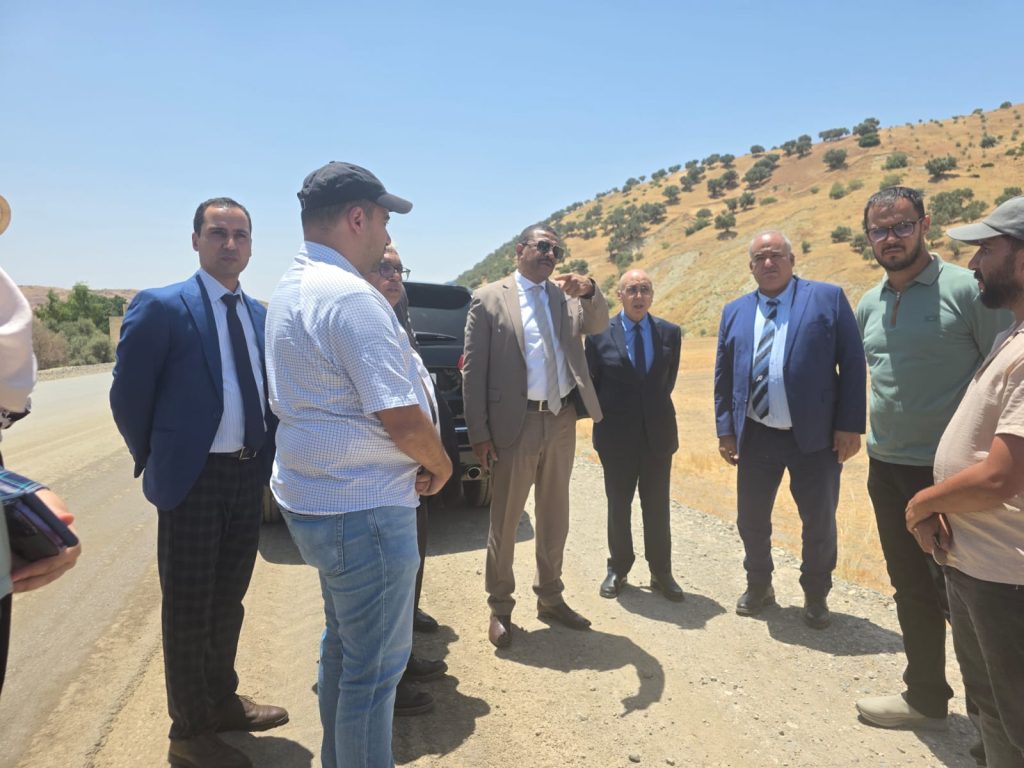
The project is part of structural initiatives aimed at modernizing the road network in the Fes-Meknes region, along with the development of the road section passing through the city of Tawna, which will improve the quality of road entrances and axes and enhance the attractiveness of the province's territorial space.
A Strategic Project with a Budget of Approximately 1.56 Billion Dirhams
The project to double National Road No. 8 extends for approximately 73 kilometers, with a total financial envelope estimated at about 1.56 billion dirhams. It aims to transform the current road into a dual carriageway comprising two lanes in each direction, with the development of roundabouts and intersections and the construction of necessary technical and hydraulic structures.
The project is being implemented in partnership between a number of public and elected sectors and institutions, including the Ministry of Interior, the Ministry of Equipment and Water, the Fes-Meknes Regional Council, the Tawna Provincial Council, and the Agency for the Promotion and Development of the Northern Provinces.
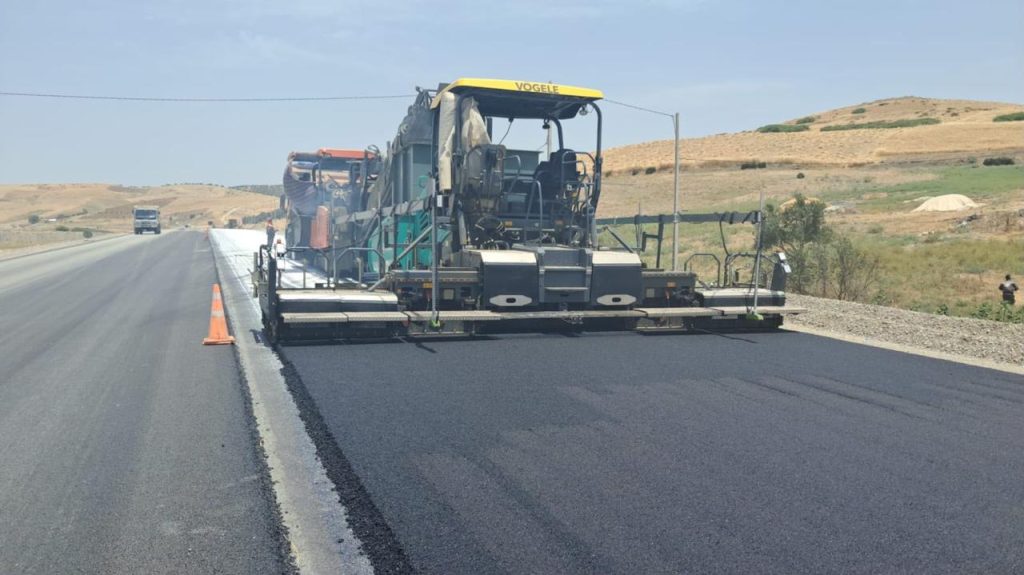
The works have been divided into four sections, including the segments connecting Tawna and Oulad Daoud, then Bouarouss, Ain Qansara, and finally the junction with National Road No. 6. Technical structures are programmed to ensure road continuity, improve safety conditions, and manage rainwater drainage.
Uneven Progress of Works Between Different Sections
Regarding the progress of execution, available data indicates the completion of the first section connecting Tawna and the Oulad Daoud center, while the second section is nearing its end. Simultaneously, work continues on the third section connecting the Bouarouss area and the Ain Qansara center.
The second section, extending approximately 19 kilometers, has achieved a physical progress rate of 92 percent, with a total cost of nearly 302.9 million dirhams, according to project status data.
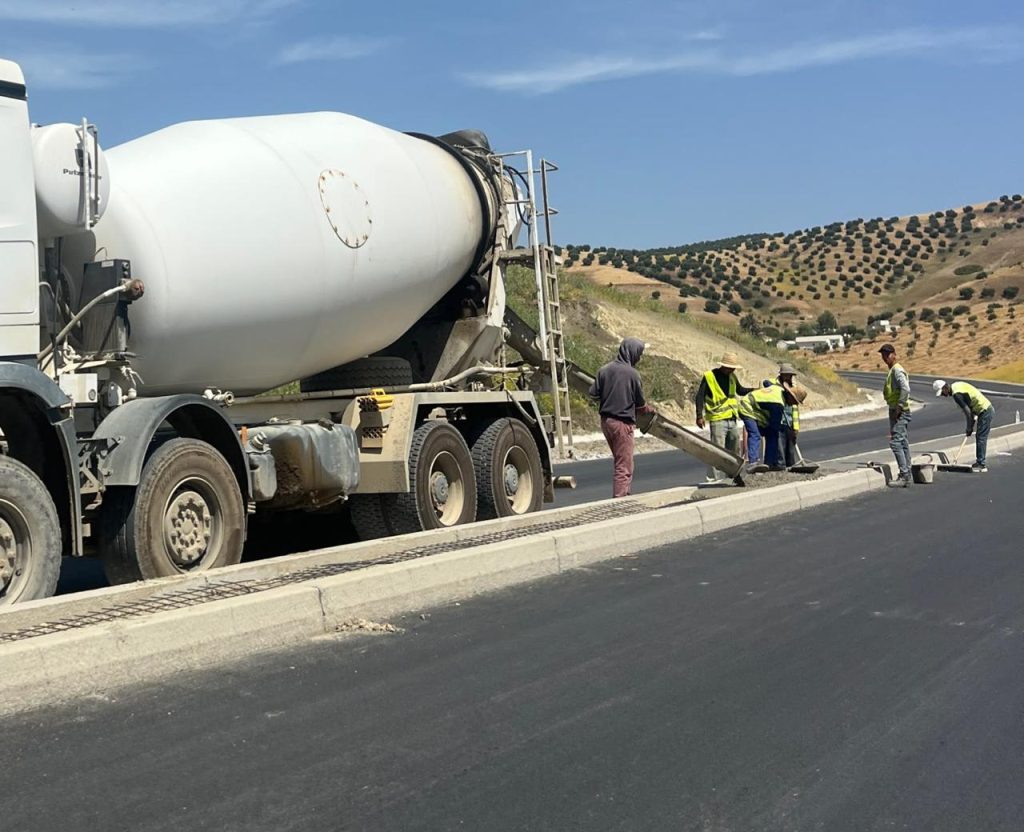
Works on this section include the construction of the dual carriageway, the development of five roundabouts and two additional intersections, as well as the construction of drainage structures and ongoing excavation, backfilling, and road layering operations.
However, the completion of the works remains linked to the progress of executing technical structures, particularly the six structures designated for crossing the El-Ansar valley. According to the status recorded in October 2026, the progress of works on two structures reached about 20 percent, while other structures are in various stages of the tendering process and preparation for the commencement of works.
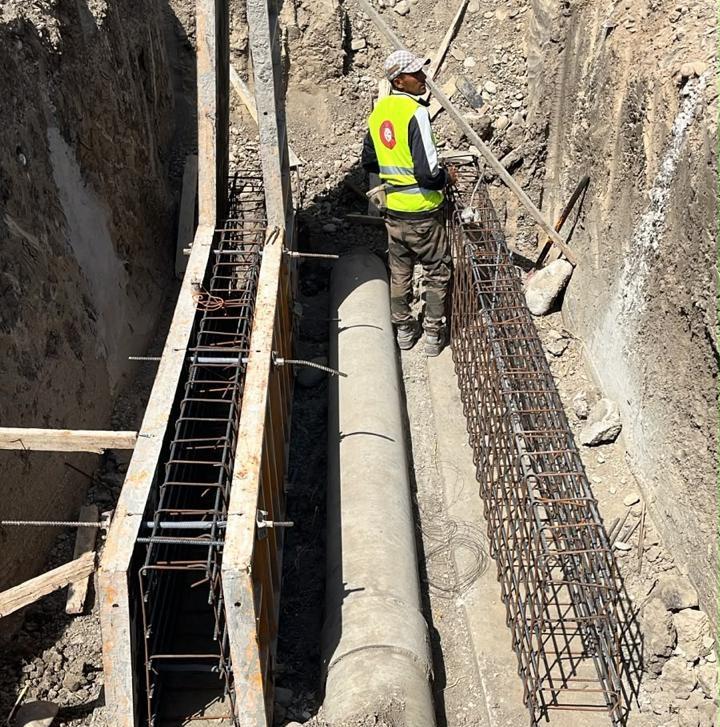
As for the third section, works related to doubling the road and constructing technical structures at the levels of the Jemaa, Lebben, and Inaouen valleys are ongoing. This makes the completion of various project components essential for ensuring the readiness of the road sections according to safety and quality requirements.
Reducing Travel Time and Enhancing Economic Attractiveness
The expected objectives of doubling National Road No. 8 go beyond simply widening the road and improving its structure. They include creating economic and social impacts by facilitating movement between Tawna and Fes and strengthening the province's connection to the regional hub.
Project estimates indicate the possibility of reducing travel time between the two cities by 30 to 40 minutes, which could positively impact citizens' travel, facilitate the transportation of agricultural products and goods to markets, and support commercial exchanges and economic activities.
The modernization of this axis is also expected to improve access to the natural and tourist potentials that the province abounds with, enhance its attractiveness to investors, and strengthen the connection of rural and semi-urban areas to essential services and facilities.
However, achieving these objectives remains dependent on the completion of works and the actual commissioning of various sections and structures, ensuring the project transitions from the execution phase to achieving a tangible impact on people's lives.
Technical and Real Estate Constraints Requiring Continued Coordination
Despite the progress recorded in some sections, the project faces several technical and field constraints that require continued coordination among all stakeholders to avoid impacting the pace of execution.
These difficulties include the relocation of some networks, especially drinking water pipelines and low and medium voltage electricity lines. The process of relocating electricity lines has been delayed after four tender calls that yielded no fruitful results, according to available data.
Operations related to expropriation, high embankments in front of some residences, and the management of hydraulic structure drainage also pose challenges that require field follow-up that considers the requirements of work progress and the interests of the adjacent population.
The Al-Qubeib district stands out among the sections that have experienced difficulties related to securing the real estate area, while continuing works while maintaining traffic flow necessitates temporary diversions and organizational measures to ensure the safety of road users and project workers.
Technical structures also constitute one of the most prominent components of the project, given the nature of the terrain crossed by the road axis and the multiplicity of watercourses, requiring appropriate engineering solutions to ensure the sustainability of the infrastructure.
Geological Challenges Requiring Appropriate Engineering Solutions
Among the challenges presented are the occurrence of landslide zones in some sections, the appearance of groundwater, and the observation of a slip on the existing road embankment in one of the areas that underwent technical study.
These data, related to the soil characteristics in the pre-Rif region, necessitate the adaptation of some engineering solutions according to the results of site inspections and geotechnical studies, with the possibility of removing unsuitable materials and replacing them with materials that meet the requirements for foundation and road quality.
These interventions are part of the measures aimed at enhancing the durability of the road structure and ensuring its sustainability, and reducing imbalances that could affect the road's quality and user safety in the future. This makes continuous technical follow-up an essential element in the success of the project.
Betting on Transforming the Project into a Tangible Development Asset
The project to double National Road No. 8 represents an important structural undertaking for the province of Tawna, given its geographical extent, financial cost, and the expected roles in improving mobility and enhancing economic and spatial integration.
However, the assessment of its developmental return is not solely linked to the amount of allocated funds or the progress rates of the works. It also includes adherence to deadlines, addressing technical and real estate constraints, and ensuring the quality of execution and road safety.
The next phase will depend on accelerating the execution of technical structures, completing the relocation of networks, and overcoming the difficulties that impede some sections, allowing for the commissioning of the project's various parts under the best possible conditions.
Between the progress recorded in a number of sections and the challenges that still exist, attention is turning to the extent to which this project can bring about a real transformation in travel conditions, support economic and social activities, and meet the expectations of the population of Tawna, who are betting on a safer and more effective road infrastructure that strengthens the province's position within the development dynamics of the Fes-Meknes region.