A. Latif Baraka: Heba Press
Officials of the Souss-Massa regional council have begun to seriously consider accelerating the implementation of the largest structuring project related to roads, namely the ring road project between the regions of Trinate and Agadir, which will facilitate traffic between the center and the south of the Kingdom.
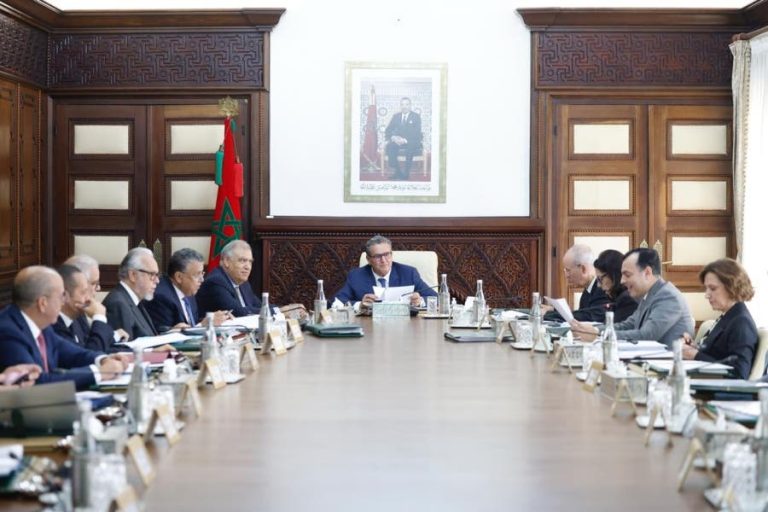
In this context, a special meeting was held to discuss the issue at the headquarters of the Souss-Massa region today, Thursday, September 19, 2024, chaired by the President of the Souss-Massa Regional Council, Karim Ashinkali, where the relevant studies were carried out. The office presented in detail the study carried out for this vast project, through which the technical and financial possibilities necessary to carry it out were highlighted, as well as the scenarios proposed to carry it out on the ground.
A project that the Souss-Massa Regional Council considered strategically important and urgent in light of the royal vision, which made the Souss-Massa region an important economic hub of the Kingdom and a vital link connecting the north to the south.
The importance of this structuring project comes from the fact that it will contribute to the improvement of the region’s road infrastructure, which will allow for greater fluidity of transport and alleviate the difficulties encountered by users of major roads, particularly with regard to transport between Agadir and Tiznit. The completion of this project will also reduce travel times and improve road safety, in addition to its central role in supporting economic and commercial activities, particularly in the tourism, agriculture and industry sectors.
The Souss-Massa Regional Council called for the immediate launch of practical measures and the approval of legal procedures necessary for the start of work, with the aim of accelerating the pace of completion and obtaining the desired benefits as soon as possible.
Despite the promising prospects offered by this project, its implementation requires overcoming a number of challenges, perhaps the most important of which is providing the necessary funding and qualified human resources, in addition to the need for coordination between the different stakeholders at the regional and national levels. However, Karim Ashinkli expressed great optimism that these challenges can be overcome through close cooperation between stakeholders and the strong commitment of local authorities and the government.