Heba Press/. Abdallah Ayyash
Political analyst Omar Al-Sharqawi said: “There is no doubt that the state today must develop its function and adapt it to current developments. It is true that the Moroccan state has played roles according to historical stages, ranging from the guardian state to that of the guardian state, from the intervening state to the social state, but today we need the surveillance state that does not leave the citizen at the mercy of the law of the market.”
Al-Sharqawi noted that “the law of supply and demand is a universal and constitutional principle and is protected by international agreements, but this principle should not be transformed into a deadly weapon in the hands of monopolists, producers and traders to deprive the weakest of a decent life.
Al-Sharqawi added: “We are not saying that the government should intervene to control the market, because this is not legally, constitutionally and consensually in line with our economic system, in light of the implementation of the law on freedom of prices and competition and the principle of supply and demand that results from it, but this is not possible in view of the difficult context in which we live. The social crisis is getting worse and more complicated.”
It is therefore necessary for the State to intervene through the sectors that concern it.
First, provide a continuous and convincing explanation for the rising prices of certain materials.
Second, to strike with an iron fist all manipulators, accomplices and monopolists, from the chain of production, import, mediation, brokers and the market. Al-Sharqawi confirms
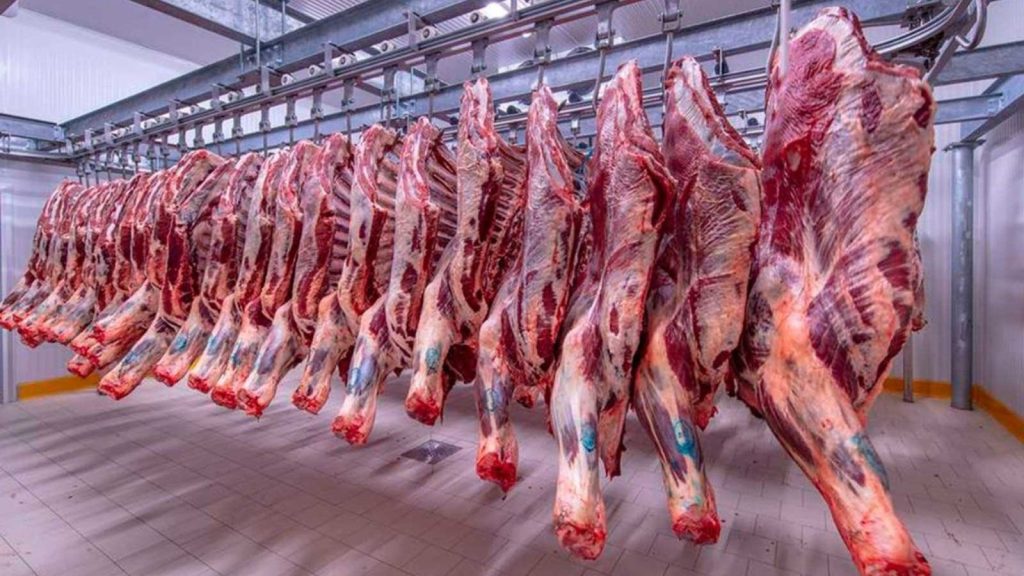
In the third axis, Al-Sharqawi states: “A maximum ceiling must be placed on the prices of some of the most consumed products, which have increased illogically, including the prices of red and white meat, fish and fruits.”
Fourth, provide incentives to investors in certain materials to reduce their prices, while monitoring the impact of these incentives so that they do not turn into fat on the backs of feed, as happened with meat subsidies.