Hibapress
The Green Generation strategy aims to train 140,000 graduates by 2030, capable of meeting the evolving demands of a constantly changing job market, said the Minister of Agriculture, Maritime Fisheries, Rural Development and Water and Forests, Mohammed Sadiki, on Wednesday in Temara.
“Since the launch of the Generation Green strategy, 33,600 graduates have been trained in 56 sectors and specialties in the agricultural and agri-food sector,” said Mr. Sadiki, who chaired the official launch ceremony of the 2024-2025 school year of agricultural vocational training at the Institute of Specialized Technicians in Agriculture (ITSA) in Témara.
On this occasion, he stressed that the 2024-2025 school year takes place in a context marked by major challenges for agriculture, particularly in terms of natural resource management, modernization of agricultural practices and adaptation to climate change.
“In this context, agricultural vocational training is called upon to play a key role more than ever in responding to these challenges by preparing a new generation of qualified and innovative professionals, capable of supporting the growth of the sector,” he said.
The minister also returned to the importance of the agricultural vocational training system which includes 12 regional multi-centre hubs, comprising 57 establishments spread across the entire national territory.
And to add that the 2024-2025 school year is marked by the implementation of several structuring projects for agricultural vocational training, in particular the improvement of the governance of the agricultural vocational training system through the institutionalization of training centers for better coordination and pooling of resources between the establishments of the center.
It also involves improving the quality of training through the institutionalization of educational inspection within the training system to provide educational support to trainers and guarantee the adequacy of the educational practices applied to deliver courses and training programs.
It is also a question of strengthening skills through the implementation of skills-based training programs, in alignment with the needs of the labor market and the strategic priorities of the sector, he said, adding that agricultural vocational training will also see the introduction of new teaching methods, including digital learning and practical internships to improve the effectiveness of learning and the employability of graduates.
On this occasion, the Minister visited the various spaces and premises of the establishment, proceeding with the inauguration of a new boarding school for girls. With a capacity of 70 beds, for an amount of more than 4 million dirhams, the new boarding school will improve the living conditions of young girls.
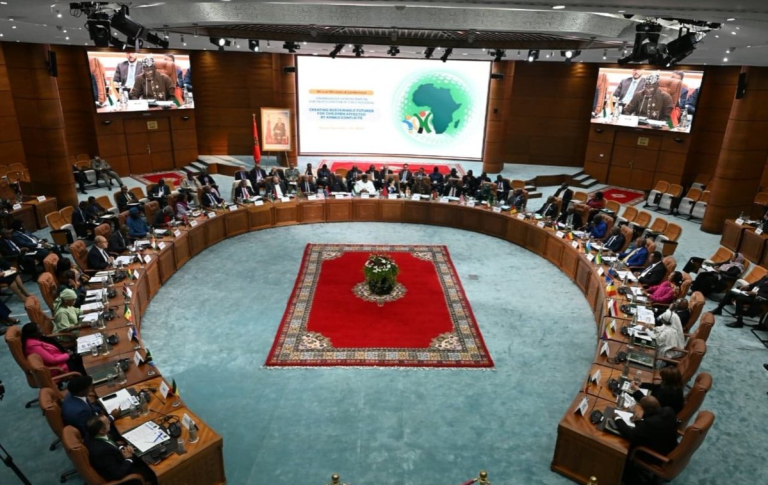
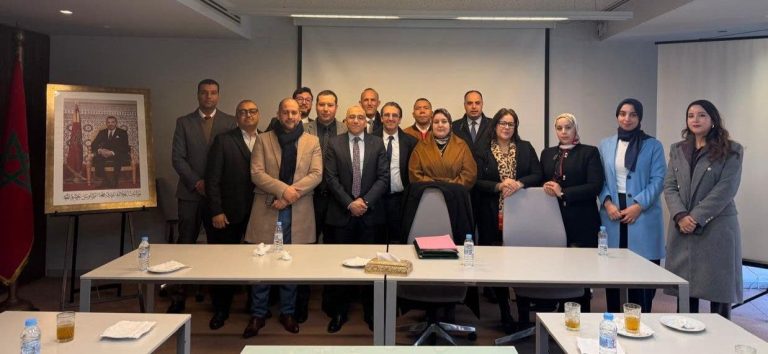
The launch ceremony was attended by directors of agricultural vocational training centers, directors and managers of all agricultural vocational training establishments, professional partners, trainees and ministry officials.
The minister also visited the technology hall and the chemistry and microbiology laboratories related to the processing and valorization of food products of animal and plant origin, then visited the precision agriculture station which uses drones for the exploration of agricultural plots and the management of phytosanitary treatments.
This year is marked by the launch of training courses in the field of desalination and water treatment. This involves the launch of training for specialized technicians at the Institute of Specialized Technicians in Agricultural Mechanics and Rural Equipment (ITSMAER) in Bouknadel and qualifying training courses at the Institute of Specialized Technicians in Rural Engineering and Topography (ITSGRT) in Meknes and at ITSA in Zraib.