A. Latif Baraka: Heba Press
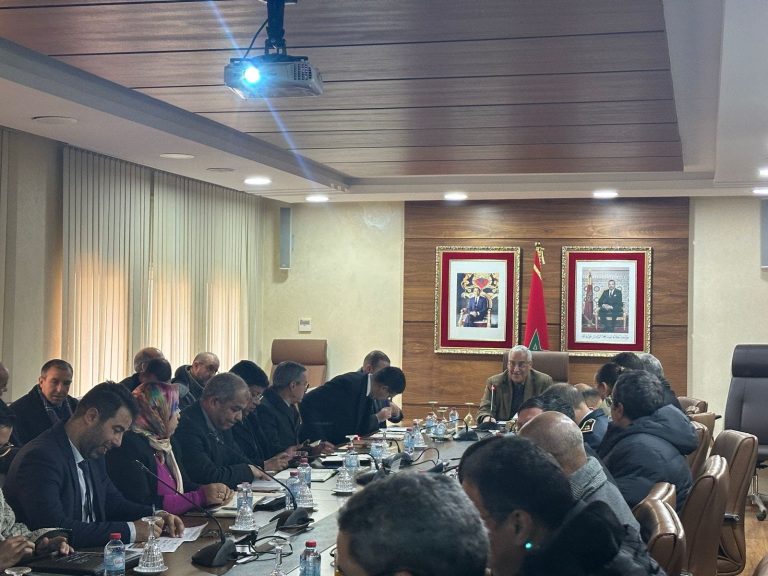
During the October session, several territorial councils asked the Ministers of the Interior and Finance to cancel a group of financial contributions, included in the remainder to be taken, from the budget of local authorities due to the impossibility of take them, as some of them date from the sixties and seventies and are owed to the group from public companies liquidated several years ago, or from private companies which no longer exist, or even from people deceased.
The budget preparation sessions, especially that of October, are subject to great controversy over the balance to be extracted from all groups, because this question is of the utmost importance in the renewal of future programs for these groups, as the inability to extract the groups’ own income. limits the possibility of implementing development programs in these groups.
The budget of local authorities depends on revenue from value added tax, which are sums transferred by the State. These transfers are considered an essential source of financing for the majority of local authorities, and the level of value contribution. -the share of tax added in management income is between 55% and 92%. This situation reveals the structural dependence of local authorities on the State through the collection of their share of value added tax, including with regard to the coverage of their management expenses. This phenomenon is also explained by the great weakness from which local authorities suffer in the collection of various tax revenues, and by the excessive inflation of the percentage of the remainder collected, made up of income inventoried by the Collective Revenue Agency, and by what Collection orders are delivered to the collector before the end of each financial year, the municipality which, upon receipt, becomes responsible for its collection.
These are revenues whose collection the legislator has entrusted to the municipal collector and which are not extracted for various reasons, which has limited local authorities to having available resources, without paying attention to the valorization of these resources in the purpose of making they contribute to achieving the financial independence of local communities, and this is what is lacking in the collective management of important revenues within legal deadlines, affecting the timely flow of financial liquidity towards the collective holder and burdening those who are obliged to pay late fines.
A certain number of local authorities have been living for years under the impact of the terrifying inflation of the rest, which dominates many budgetary chapters of the territorial groups without finding effective solutions, which has caused it to swell from year to year, turning into a nightmare that disturbs all officials.