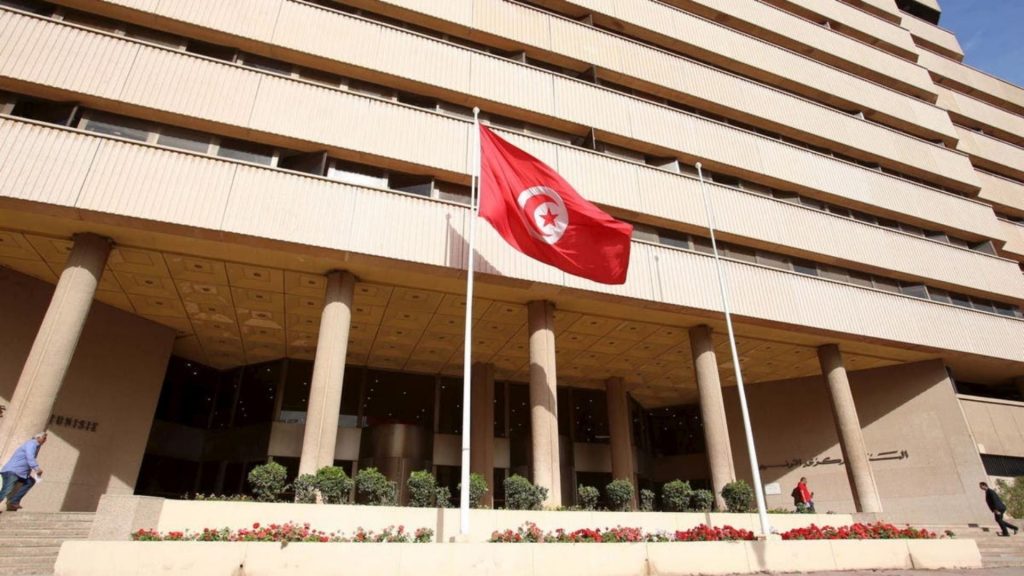
Representatives in the Tunisian Parliament have presented a bill allowing the Central Bank to buy government bonds and directly finance the public treasury, while stipulating that the bank is not allowed to sign agreements with supervisory bodies foreigners without the approval of the country’s president.
The bill presented by the representatives contained a proposal that removed the central bank’s exclusive authority to adjust interest rates and exchange rate policy, and stipulated that it should only make such decisions in accordance with the government.
The new bill proposed by representatives of the Tunisian Parliament is seen as the latest measure that could completely undermine the independence of the Central Bank, which has faced continued harsh criticism from President Kais Saied, who has repeatedly stated that he will not allow the bank to be a state within a state.
The proposed fundamental amendment to the Central Bank law comes at a time when public finances are facing a serious crisis with the country’s inability to guarantee its external financing needs.
In the bill, 27 representatives warned that Tunisia would inevitably go bankrupt if the Central Bank law was not amended.
They also indicated that the current law, passed in 2016, which does not allow the central bank to finance the public treasury in the form of loans or direct purchase of government bonds, has led to huge losses for the State estimated at around 113 billion dinars (36.6 billion dollars).