HIBAPRESS – Oujda
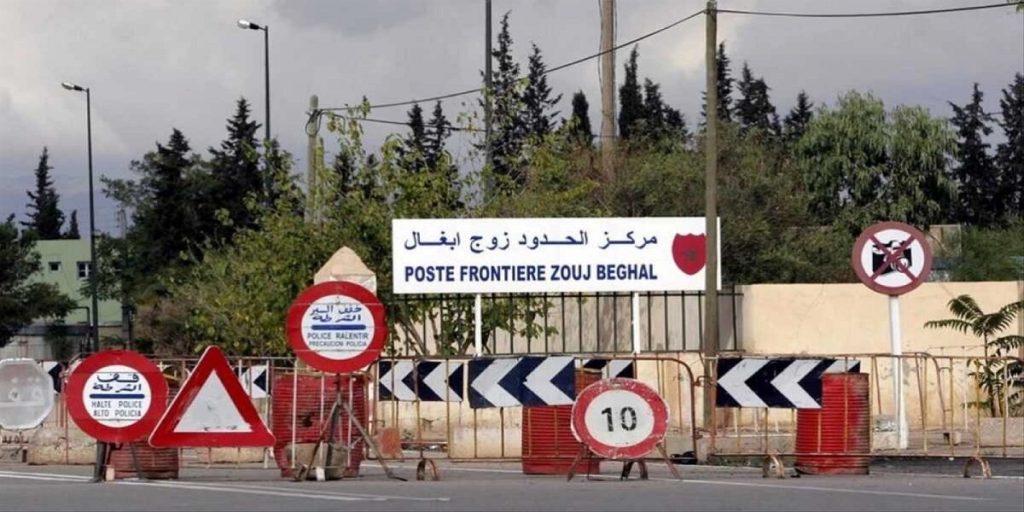
The Moroccan-Algerian land border crossing was exceptionally opened on Tuesday, October 20th, to complete the procedures for the Moroccan authorities to receive a new batch of 40 Moroccan youths, candidates for irregular migration. They were released by the Algerian authorities after serving their sentences and detention periods in detention centers.
The Moroccan Association for the Assistance of Migrants in Difficult Situations in Oujda stated that the individuals in this batch originate from various cities and regions across the national territory, including Azilal, Oujda, Errachidia, Rissani, Ksar El Kebir, Nador, Fez, M'diq, Taza, Taourirt, Oujda Oriental, Mdaagh, Wadi Zem, Ouazzane, Ait Attab, and Jerada. The Post Office Square in the center of Oujda city witnessed deeply moving humanitarian scenes, documented by the mothers and families of those released who gathered to welcome and embrace their sons after long months of absence and severed contact.
The association also noted that this operation comes in a context marked by growing human rights concern regarding what it described as "harsh, heavy, unrealistic, and exaggerated judicial rulings" that are now affecting Moroccan migrants and youths in Algeria, particularly those prosecuted in the "Group of 61" case detained in Oran and other groups who received sentences depriving them of liberty, reaching up to 20 years in prison. The association affirmed its continued advocacy to ensure fair trials, follow up on the cases of detainees and missing persons, and work on sending identity and kinship proof documents to expedite the repatriation of four bodies of young men who died during migration routes.
The association concluded its statement by affirming that it is following with deep concern and in parallel the conditions of dozens of Moroccan detainees and missing persons within Libyan territory and in Tunisia, indicating that the frequency of family contact and requests for intervention has doubled significantly following the launch of the new version of its field program "Support and Assistance." It reiterated its humanitarian appeal to open permanent land corridors that respect ties of kinship and marriage, and to address the issues of migrant youth with a logic of social and rights-based protection, far from narrow political exploitations and calculations.