This article was automatically translated from HIBAPRESS, the Arabic version:
Hibapress
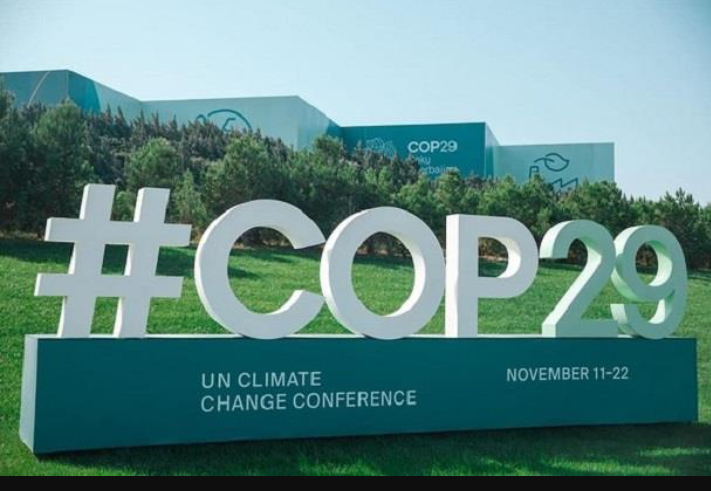
Two groups dissatisfied with a draft financial agreement, namely the Alliance of Small Island States (Aosis) and the Least Developed Countries (LDCs), on Saturday abandoned a consultation meeting with the COP29 presidency which is being held in Baku. These groups, representing the countries most vulnerable to climate change, estimated that this draft agreement falls short of their expectations in terms of financial aid. They said they wanted to guarantee 30% of funding for the fight against climate change, before leaving meeting room no. 3 in the blue zone.
This climate mass was extended, in the absence of a consensus between the parties on the New Quantified Collective Objective (NCQG) for climate financing, which was also rejected by the Africa group. The draft text on this new objective, which proposed the mobilization of 250 billion dollars per year by 2035 that developed countries will have to provide in the next decade to developing countries, was also criticized by NGOs.
The European Union increased this Saturday to 300 billion per year by 2035 the financial commitment of developed countries towards the poorest countries, on condition of obtaining progress elsewhere in the text, according to sources within delegations negotiations at COP29, cited by European media. This increase, however, remains below the expectations of developing countries which want a mobilization of 1,300 billion USD by 2030.
While the summit has already been extended for the first time, a new update sent by email from the UN climate services informs that the shuttle buses serving the Conference venue will continue to run until 11:45 p.m. Saturday November 23. Furthermore, COP29, which began on November 11, allowed the adoption of several initiatives and declarations, notably on water, tourism and the reduction of methane from organic waste.