This article was automatically translated from HIBAPRESS, the Arabic version:
This article was automatically translated from HIBAPRESS, the Arabic version:
Ahmed Wazruti – Heba Press
The Moroccan Association for Research and Cultural Exchanges (AMREC) questioned the results and statistics published by the High Commission for Planning concerning the Amazigh and Tamazight languages, considering that the methodology adopted lacks scientific credibility and does not reflect the true linguistic reality of Morocco.
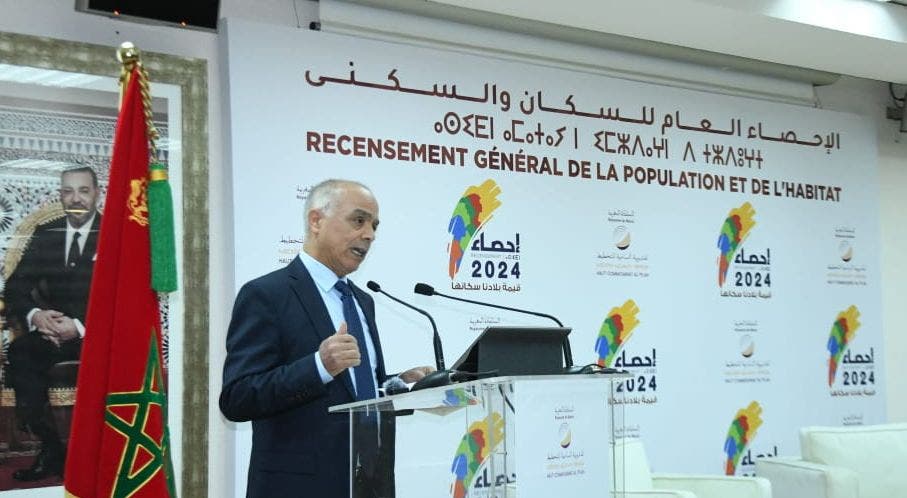
On the 17th of this month, the High Commission for Planning announced the results of the general population and housing census, where the percentage of Amazigh speakers reached 24.8%, distributed between 19.9% in urban areas and 33.3% in rural areas.
The association strongly criticized the census preparation process, highlighting the exclusion of Amazigh as an official language and the lack of involvement of experts and national institutions concerned with the management of multilingualism in the drafting of census forms.
Lameric also estimated that the census results classify Moroccans according to ethnic rather than demographic criteria, leading to a reduction in the number of Amazigh speakers, particularly in large cities. She stressed that the results reflect the State’s inability to manage the Amazigh issue and integrate it into education. , the media and the administration.
In a press release of which Hiba Press received a copy, the association called for accelerating the implementation of constitutional requirements linked to the Amazigh language and adopting a national plan to advance it as a language, culture and identity.
She also called for the opening of a public debate to reconsider public policies that lead to the marginalization of the Amazigh language, warning of the danger of its extinction in the short term.
In conclusion, the association underlined the need for everyone to assume their responsibility in safeguarding the Amazigh language, which constitutes an integral part of Moroccan national identity.