This article was automatically translated from HIBAPRESS, the Arabic version:
This article was automatically translated from HIBAPRESS, the Arabic version:
Heba Press – Ahmed Al-Musaed
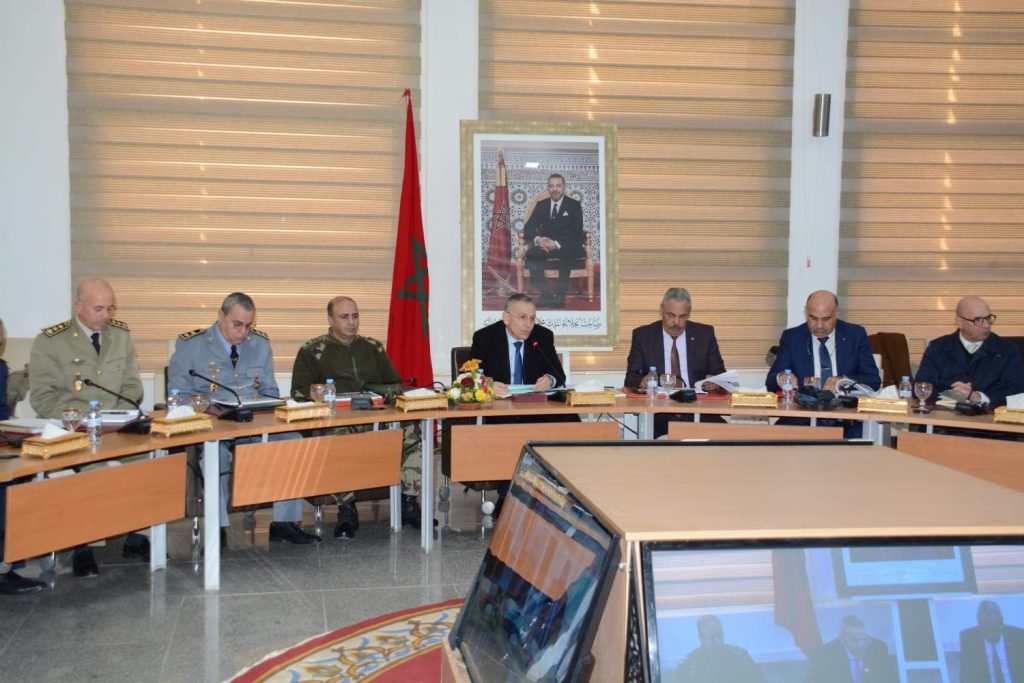
A coordination meeting was held today, Monday January 20, at the state headquarters of Oujda-Angad, dedicated to the study of proactive measures and measures taken to deal with the cold snap during the current winter, with the aim of mitigating its negative effects. on the population, particularly those residing in difficult-to-access areas of the East.
The meeting was chaired by Al-Khatib Al-Habil, governor of the Eastern region and governor of the Oujda-Angad prefecture, in the presence of several local and regional officials, including the Secretary General of the State, the head of the Department of Internal Affairs, heads of security services and men of authority, as well as representatives of external interests in the region concerned.
In his opening speech, the governor of the region stressed that this meeting is part of a global mobilization in application of the high directives of His Majesty King Mohammed VI, may God grant him victory and support , which aim to protect citizens and ensure their safety and dignity in the face of the difficult climatic conditions observed in certain regions of the Kingdom.
A group of presentations was presented by the different sectors concerned, while the Regional Coordination of National Cooperation presented its most important interventions to face the cold wave for the 2024/2025 winter season. These interventions included housing the homeless in institutions such as the. House of Solidarity and House for the Elderly, in addition to caring for neglected children and women in… A difficult situation, in addition to the institutions that ensure the distribution of aid to migrants, men and women, in such a way as to guarantee the preservation of their human rights. rights in these difficult circumstances.
On the other hand, the education sector was informed of the measures taken to deal with the cold wave, including a rapid response to warning bulletins related to weather changes, in addition to the decision to temporarily stop studies, in some cases, based on guidelines from local authorities. authorities. Additional blankets were also provided to male and female boarding school students, and integrated nutritional programs were put in place to meet their needs in view of the cold weather. The measures also included strengthening comprehensive health care, as integrated health teams, consisting of doctors and nurses, were assigned to provide necessary first aid and medical care at boarding schools. In addition, awareness campaigns were organized among students on how to prevent winter illnesses such as influenza. and colds, in addition to providing firewood. Heating to ensure a warm environment in educational establishments. Student dormitories and educational institutions are also equipped with heaters and air conditioners to ensure a healthy and safe environment that helps students get the most out of their studies. given the difficult climatic conditions.
In his speech, the governor stressed the importance of monitoring and monitoring the work of associations involved in the distribution of aid and resources, calling for them to be required to submit detailed reports on the progress of the work. He also stressed the need to ensure transparent distribution. food and aid between all centers and institutions.
Concluding his speech, the governor called for strengthening coordination between all sectors and stakeholders to ensure the greatest efficiency in responding to the needs of citizens affected by the cold wave, noting that priority must be given to most vulnerable groups such as children. He also stressed the importance of raising the level of preparedness of citizens. Field teams ensure immediate and rapid intervention when necessary, taking care to monitor the implementation of measures taken in the field.