This article was automatically translated from HIBAPRESS, the Arabic version:
This article was automatically translated from Hibapress, the Arabic version:
Heba Press, Rabat
The parliamentary advisor Abdullah Makkawi confirmed the existence of a clear failure of several government sectors in the activation of advanced regional workshops, despite the adoption of nine years since the launch of this major project which aims to distribute the industry the development decision between the State and the agencies.
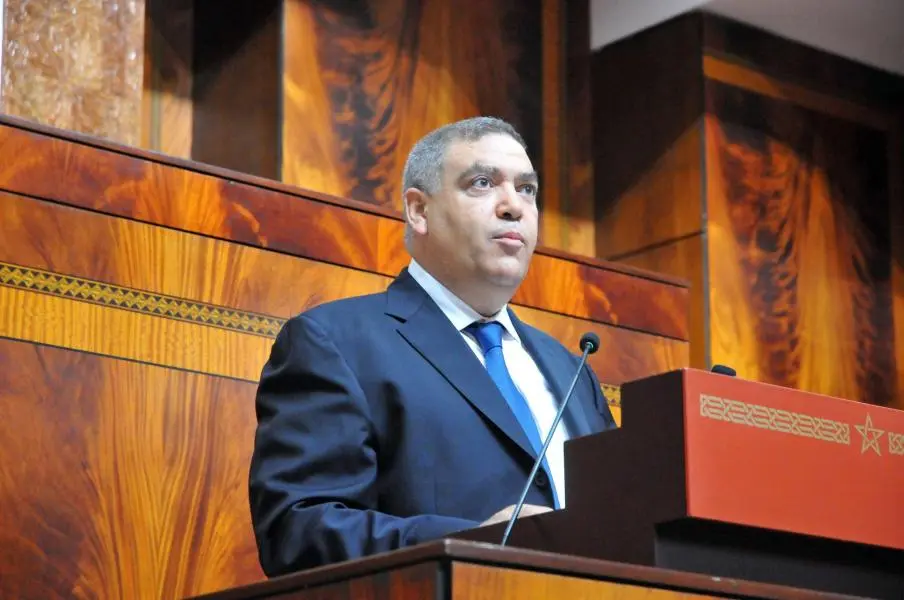
During the oral question session of the House of Councilors, Makkawi expressed his comment on the response of the Minister of the Interior Abdel -wafi Laftit concerning “accelerating the frequency of the advanced regional registration”, that he was Surprised by the continuous refusal of government agencies to abandon the seven self -skills of entities and the rest of the territorial groups, despite the clarity of regulatory laws in this regard. He called for the need to activate the transferred and shared skills of the authorities.
Makkawi also asked questions about the fate of the transfer process of these specializations, stressing the importance of accelerating the download of the administrative charter for non-concentration prepared in the previous state as an organizational mechanism necessary to bring the decision closer beneficiaries. He called to examine the criteria for distributing budgets to territorial organizations and groups, noting the need to adopt development indicators instead of being satisfied with the number of populations only.
Makkawi stressed the importance of strengthening self -financing mechanisms for dirt groups and defining a clear plan for decentralized international cooperation, as well as taking effective measures to strengthen group management capacities in the fields financiers and administrative, while accelerating the management of the status of employees of territorial groups.
At the end of his intervention, Makkawi underlined the need to review the legal, regulatory and electoral framework for land groups of all kinds, based on experience and practice after a decade of implementing these laws.