This article was automatically translated from HIBAPRESS, the Arabic version:
HIBAPRESS-RABAT-MSISF
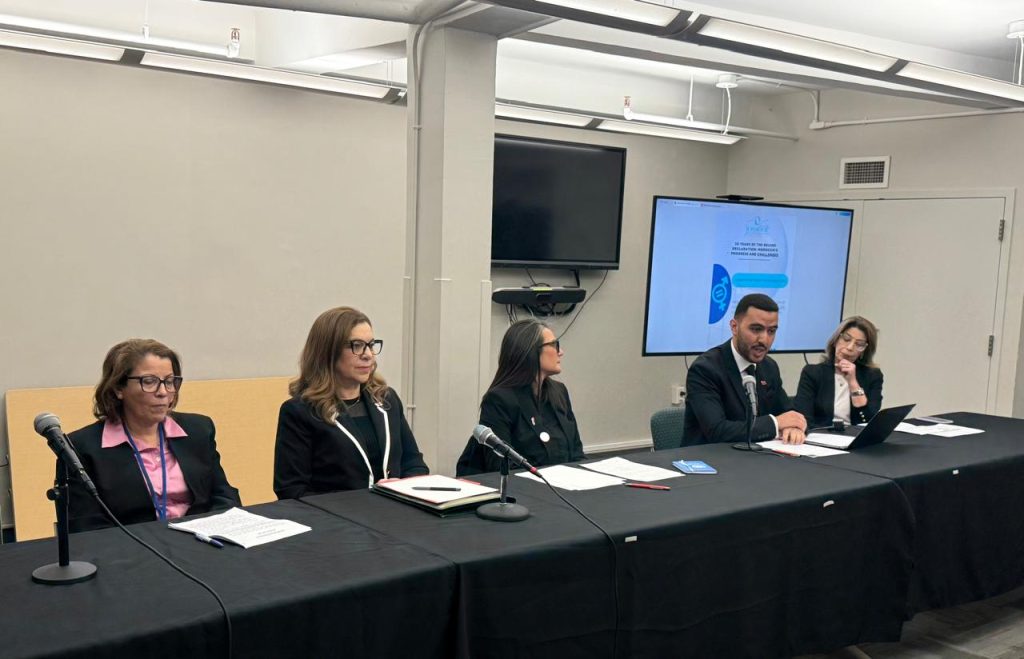
As part of the 69ᵉ Session of the Commission for the United Nations Woman’s condition (CSW69), Ms. Naïma Ben Yahya, Minister of Solidarity, Social Integration and the Family, participated in the parallel event organized by the Jossour Forum of Moroccan Women Forum under the title “30 years after the Beijing Declaration: advanced from Morocco and current challenges” Benamour, president of the association.
During this event, the Minister presented the great achievements of the Kingdom of Morocco in the promotion of women’s rights, in particular with regard to legal reforms, social protection and economic and political participation. It also highlighted the family code reform project, carried out according to a broad advisory approach involving various actors, including civil society, national institutions and legal experts, while respecting religious and national constants.
The Minister also said that Morocco has adopted an integrated approach focused on the economic empowerment of women, the fight against gender -based violence and the strengthening of their presence in decision -making bodies. She praised the international interest in Moroccan experience, in particular by international partners who consider it as a model that can serve as a reference for the promotion of gender equality in the region.
The Minister also underlined the central role that civil society plays, as a key partner of the government, in improving the effectiveness of public policies, in particular in the fields of the fight against violence, economic inclusion and community awareness.
In addition to the intervention of the Minister, the event was also marked by contributions from several actors and experts in the field of women’s rights.
Ms. Soumaya Mounsive, member of the Jossour association, addressed the question of women’s participation in public and political life, stressing that the realization of parity cannot be limited to legal frameworks, but also requires the strengthening of a societal culture favorable to the participation of women in decision -making positions.
For her part, Ms. Saadia Ouaddah, president of the Casablanca-Settat Regional Human Rights Commission, focused on the fight against gender-based violence, highlighting the importance of developing legal protection mechanisms and expanding access to services for women victims of violence.
At the end of the session, Ms. Hibaaq Osman, executive director of the “Karama” foundation, presented the collective work “Beijing+30”, which documents the challenges and advances of countries in the implementation of the declaration and the Beijing action program. She stressed that Morocco is one of the countries that have made significant progress in this area.
Participants said that this event was a platform for exchange and reflection, reiterating the commitment to pursue the development of policies and initiatives in favor of women, and to strengthen their presence in all areas