This article was automatically translated from HIBAPRESS, the Arabic version:
Hibapress
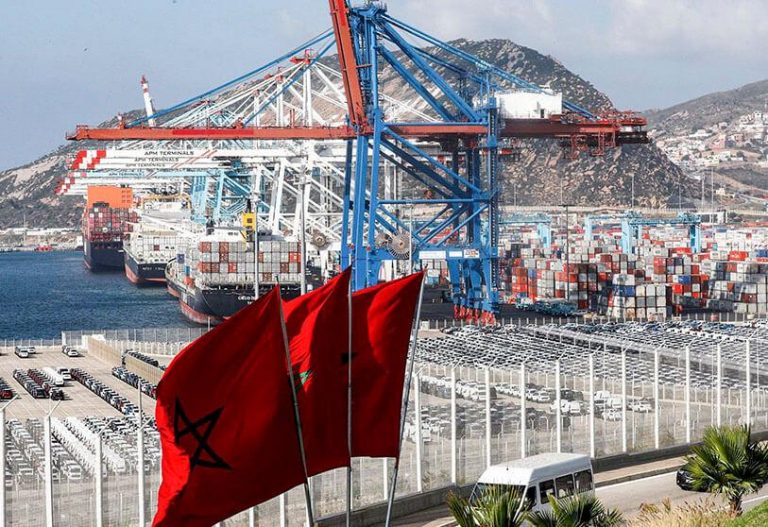
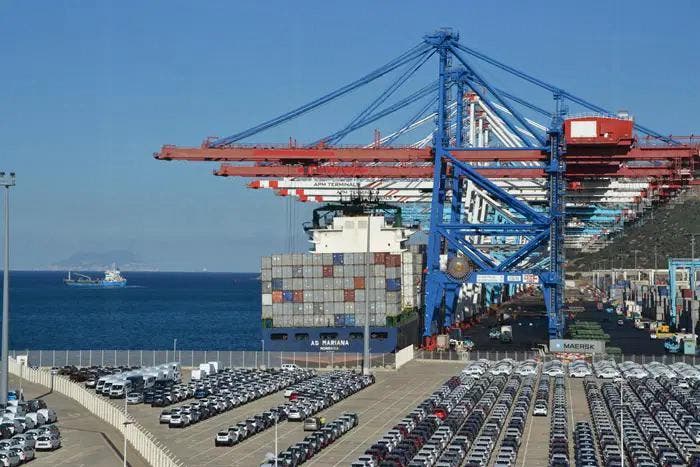
The director of decarbonation at the Tangier Med group, Amine Benysef, put forward, Wednesday in Casablanca, the efforts undertaken to make Tangier Med a reference port in terms of energy performance.
Intervening during a panel under the theme “Ports, transport and logistics in the face of the challenges of decarbonation”, organized as part of the International Transport and Logistics Show for Africa and the Mediterranean (Logismed), Mr. Benyesef presented the energy strategy of the port complex, based on a double ambition: reaching carbone neutrality on its own activities and deploy decarbonation services for the benefit of its operators.
This strategy is based on four major pillars, namely the supply of green electricity, energy efficiency, sustainable mobility and the management of the circular economy, said the director.
And to emphasize that the Tangier Med port is now supplied 100% in electricity from renewable sources, thanks to long -term purchase contracts, adding that several self -production projects are already underway.
Among the concrete achievements, Mr. Benyesef quoted the depowment of the infrastructure necessary to supply the platform ships with green electricity, allowing them to cut their auxiliary engines during the stopovers.
“This onshore Power Supply device is already operational for 800 meters of quay and will be generalized to other terminals and ferries,” he said, adding that this electrification is called to become a global standard in ports by 2030.
For its part, the regional director of XPO Logistics Morocco, Miguel Troitiño, detailed the efforts made by his company to reconcile operational performance and environmental sustainability.
Present in 14 countries, the group manages a million square meters of warehouses between Morocco, Spain, Italy and Portugal, which makes it an important consumer of goods and energy, he said.
Thus, he highlighted the importance of a sustainable approach at each stage of the logistics chain, ranging from optimizing the filling of vehicles to the reduction of empty kilometers.
In this sense, M.Troitiño spoke of the use of concrete solutions such as the increased use of HVO (hydrotraitée vegetable oil), the progressive replacement of energy -like bulbs and equipment, or the use of tandem road convoys to reduce CO2 emissions.
Placed under the high patronage of HM King Mohammed VI, Logism’s held until May 15, under the theme “Supply Chain in Morocco: an industry in the service of competitiveness, sovereignty and sophistication of the economy”.
A true Moroccan showcase open to global challenges, this fair is an opportunity to take stock of the advances in the national strategy for the development of logistics competitiveness, while identifying future priorities in the light of rapid changes internationally.