HIBAPRESS – Mohamed Zariouh
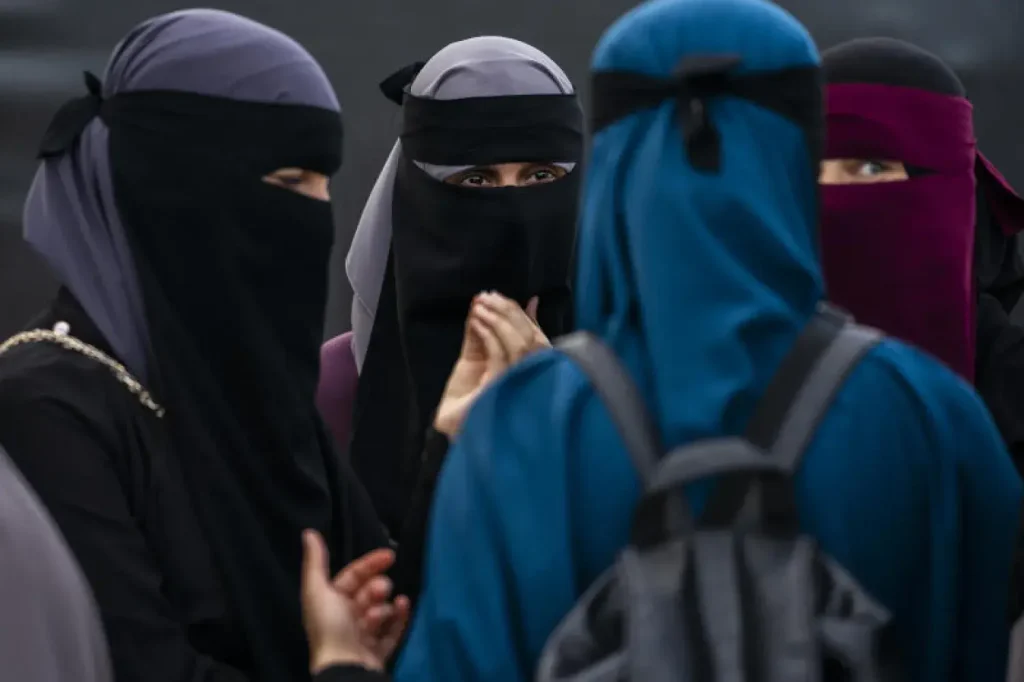
The occupied city of Melilla has entered a new controversy after the Vox party submitted a proposal to the local assembly calling for a ban on wearing the niqab and any clothing that covers the face in public and private places, including schools, hospitals, sports facilities, and parks.
The proposal, which sparked mixed reactions, was met with firm rejection from the “New Melilla” party. In its statement issued on Friday, October 3, the party described the initiative as "an infringement of fundamental rights," foremost among them religious and individual freedom, reminding that cultural and religious diversity forms an integral part of Melilla's identity. The party spokesman, Isaac Fernandez Atencia, stressed that the choice of the niqab, hijab, or any religious or cultural symbol is a personal freedom and a right that cannot be confiscated. But behind this legal and political debate, another dimension emerges related to the general context in Spain. According to observers, the initiative comes in light of the rapid rise of hard-right discourse, which increasingly focuses on issues of identity, immigration, and religion, and promotes concepts related to "cultural security" in the face of pluralism. Occupied Melilla, as a border city with multiple identities, becomes a testing ground for these discussions. The criticism of “New Melilla” was not limited to the rights aspect only, but also extended to the institutional dimension, as the party considered that the proposal exceeded the jurisdiction of the local assembly and threatened the values of coexistence that have for decades been a distinctive feature of the city. They also considered that Vox's justification for the initiative based on "local customs and traditions" contradicts the history of occupied Melilla built on openness and respect for individual freedoms. With the expansion of the controversy, the party called on the other political forces to reject the proposal, warning against being drawn into a discourse that intersects with the trends of the far-right in Spain. At the same time, the street in Melilla is anticipating the outcomes of this initiative, which, if passed, could turn into an issue that transcends occupied Melilla to raise a national debate about coexistence and pluralism in Spanish society.