HIBAPRESS – Abdellatif Baraka
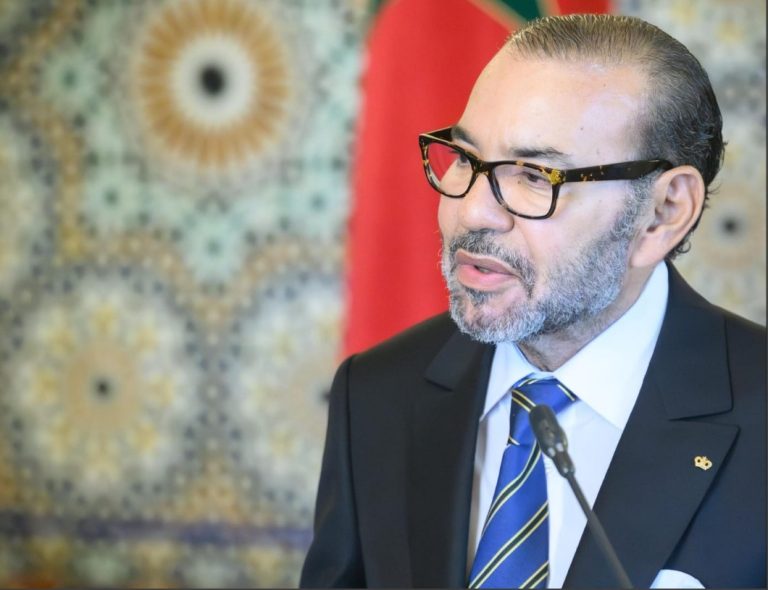
In a speech described as clear and precise, King Mohammed VI, during the opening of the first session of the fifth legislative year of the eleventh legislative term, on Friday, October 10th, called on all actors in the national scene, including political parties, elected institutions, civil society, and the media, to seriously and responsibly engage in the developmental dynamic that Morocco is witnessing. This call reveals a deep awareness of the importance of participatory work and highlights the media's position as a pivotal actor in this national workshop.
– The Media: From News Conveyor to Catalyst for Change
The media has, for years, moved away from its traditional image as a mere conveyor of information and has become today a strategic tool for advocating for development issues, stimulating social change, and consolidating the values of citizenship.
The media, through its various means, has a huge ability to influence public opinion, direct collective behavior, and create awareness.
In this context, the royal call comes to burden the media with double responsibility: not only informing, but also raising awareness, sensitizing, and engaging in educating the citizen to positively engage in development efforts, in line with the country's major challenges, from strengthening spatial justice and achieving economic growth, to expanding social and cultural rights.
– Developmental Media: Between Constraints and Stakes
Despite some successful experiences in developmental media, the national media scene still suffers from real constraints that prevent full engagement in development issues. Among these constraints: focusing on sensationalism and superficiality, lack of specialized training in development issues, the absence of institutional partnerships, in addition to the limited funding directed to local and regional media, which is supposed to be closest to the concerns of citizens.
However, the bet today, in light of the royal call, is to move towards a new media model that combines high professionalism, a national sense, and the ability to contribute to consolidating a culture of results, encouraging local actors to take responsibility, and overcoming the logic of narrow calculations.
– The Media as an Intermediary for Local Development
One of the most prominent roles of the media today, especially in the Moroccan context, is its role as an intermediary between the citizen and the decision-maker, and as a mechanism for following up on public policies and evaluating their impact on the ground. Therefore, strengthening regional and local media has become a strategic necessity, because it is closest to the citizen and is more capable of translating their expectations and highlighting shortcomings and deficiencies, and even creating bridges of trust between local actors and society.
– Towards a Media Charter for Development
Based on these data, the need appears urgent today to develop a national charter for developmental media, which defines roles and responsibilities, and encourages the production of media content that keeps pace with major development projects and enhances the spirit of active citizenship. Citizen media initiatives should also be encouraged, and support and training should be provided to media professionals in areas such as climate change, rural areas, social justice, and innovation.