HIBAPRESS
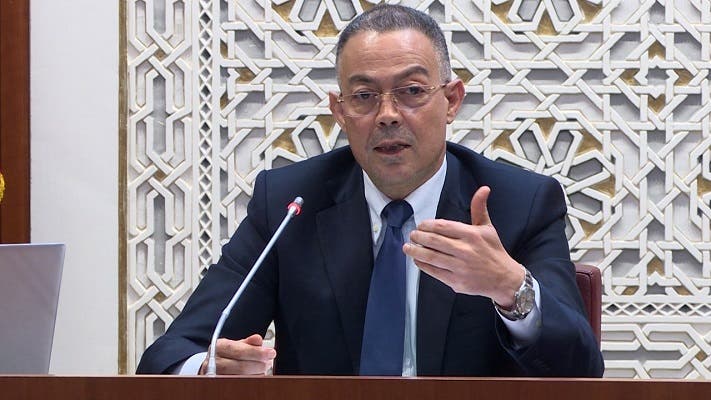
Fouzi Lekjaa, the Minister Delegate in charge of the Budget, confirmed that the organization of the 2030 World Cup falls within a comprehensive strategic vision that reflects Morocco's openness to the world and its renewed commitment to continue the dynamics of national development.
Lekjaa explained, during his response to the discussion of the 2026 Finance Bill in the House of Representatives, that hosting a global event of this magnitude cannot be separated from the general path of the Kingdom, which has become a distinguished destination for hosting major intellectual, cultural, scientific, and sporting events, pointing out that this international positioning must be evaluated through its economic, social, and structural impact. He added that the organization of the World Cup is not just a sporting event, but rather represents a comprehensive national work paper in which the various aspects of development intersect, stressing that the commitments included in the joint file with Spain and Portugal – which received unanimous approval from FIFA – reflect this direction, foremost of which is the rehabilitation of the health sector as an essential condition for hosting this global event. Lekjaa said: "We cannot organize the World Cup without a health system that meets international standards, whether in terms of emergencies, treatments, or services directed to players and fans." He pointed out that the construction of the Moulay Abdellah Stadium was completed in a record time of no more than two years, highlighting that the university hospital adjacent to it was completed in the same period, reflecting Morocco's ability to implement major projects quickly and efficiently, stressing that what is a source of pride is that the stadium was completed entirely by Moroccan hands and contractors, exceeding one hundred contractors. Regarding the cost of the stadiums, Lekjaa explained that it is not financed from the general state budget, indicating that the World Cup budget amounts to 3 billion dirhams, of which 1.9 billion are allocated to the National Office of Railways, and less than one billion dirhams for building stadiums, thanks to the mobilization of institutional partners, with payment extending over twenty years. He affirmed that the future revenues of stadiums and sports infrastructure will exceed the cost of their construction, highlighting that the projects related to the World Cup are not circumstantial or exceptional, but rather national development projects that were programmed in advance, and the hosting of the World Cup came to accelerate their pace.