HIBAPRESS – Ahmed Al-Musaed
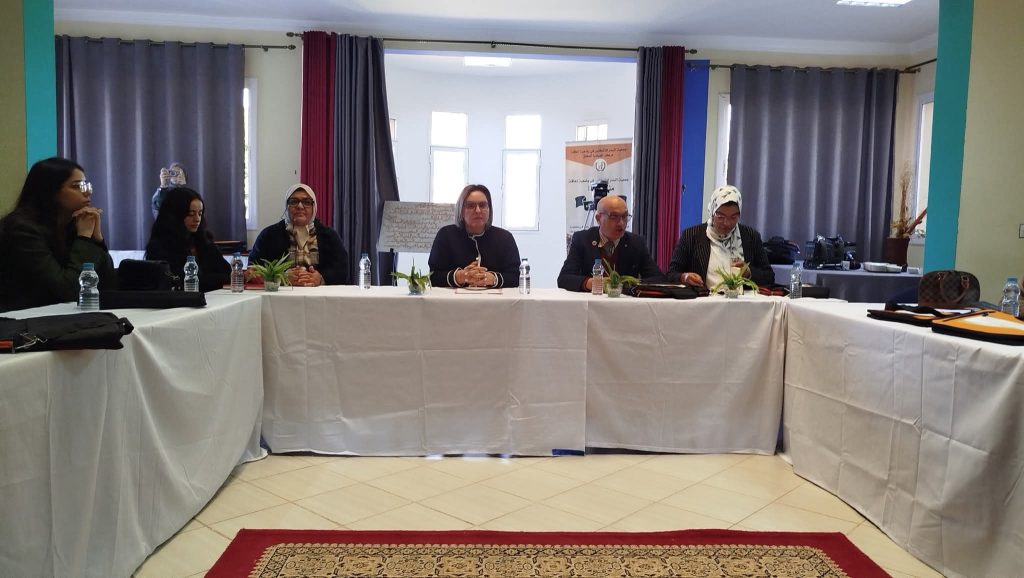
The center of the Al-Badr Organization for People with Disabilities, Women and Children in the city of Berkane witnessed the launch of the activities of a qualitative and intensive training course dedicated to associative frameworks, focusing on the topic of "Auditing and Standardizing the Quality of Inclusive Services for People with Disabilities".
This course, which is supervised by a group of experts and specialists from inside and outside Morocco, is the first of its kind to focus on the practical aspect and the direct service delivery environment, thus marking a step forward towards upgrading the professionalism of the sector. In her opening speech, Nadia Atia, President of the Al-Badr Organization, stressed the utmost importance of such training courses, pointing out that they come in a context that is fully consistent with the high royal orientations and the projects led by King Mohammed VI, may God grant him victory, which aim to activate the principles of management for change and improve the quality of life for all segments of society. Atia explained that the holding of this symposium at the initiative center comes with the direct support of the National Initiative for Human Development (INDH) of the Berkane Prefecture. This support confirms that providing buildings and facilities alone is not enough to ensure the effective integration of people with disabilities, but rather the organization seeks to provide high-quality services that befit the dignity of this segment of citizens. A comprehensive and intensive training program has been outlined over two months, covering November and December 2025, at an average of three days every two weeks. The program will address basic and vital axes including the legal and regulatory frameworks for the field of disability, management and accounting for program preparation, then standard standardization of inclusive services, and all topics related to empowering vulnerable groups, with a focus on soft skills and life skills, framing and accompanying. About 24 people benefit from this training program representing various sectors, including frameworks from governmental and non-governmental institutions, which ensures the exchange of experiences and the unification of efforts to serve the national cause of disability.