HIBAPRESS
The General Assembly of the International Criminal Police Organization (Interpol), convened in its 93rd session in Marrakech between November 24 and 27, called on member states to ratify and implement the United Nations Convention on Cybercrime.
The organization's supreme administrative body affirmed, in a resolution adopted during this session, the importance of adopting a consistent international approach to combating cybercrime, pointing to the need to enhance cooperation and information exchange between the organization, member states, and law enforcement agencies around the world.
The General Assembly also called on member states to continue strengthening Interpol's global secure police communications system, particularly the (NEXUS) system, as well as the organization's notices and circulars, criminal data analysis, the cybercrime program, and initiatives related to capacity building, in addition to the technical and operational support provided by Interpol.
It recommended better use of these mechanisms, including within national specialized units in combating electronic fraud, exploitation and sexual abuse of children online, in addition to other types of crimes committed using information and communication technology.
On the other hand, the resolution called for establishing close cooperation between the National Central Bureaus and the representatives of their countries to the United Nations, in order to enhance the role of Interpol during the periodic meetings of the Conference of the States Parties to the Convention, as well as during negotiations on additional protocols.
The 93rd General Assembly stressed the need to ensure that Interpol's channels, tools, and programs receive full recognition and are integrated into the United Nations and relevant multilateral platforms, which enhances the ability of law enforcement agencies to effectively confront cross-border threats.
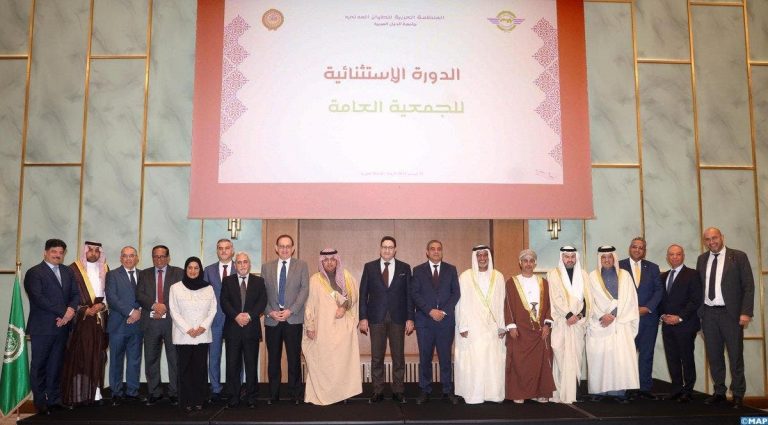
The Interpol General Assembly is the largest global gathering of law enforcement leaders and is an opportunity for member states to build relationships and exchange experiences.
This session, which is attended by more than 800 delegates from 179 countries, including 82 security directors, discusses a range of issues, especially the identification and dismantling of transnational organized crime, combating cross-border fraud centers, strengthening Interpol's global police capabilities, and enhancing the role of women in police agencies.