HIBAPRESS – Abdel Latif Barca
The Independent Parliamentarian Khalid Al-Shanaq has renewed his demand for an accountability of the previous government's performance, stressing that the transition to a new political phase should not be used as an excuse to close files related to rent-seeking, conflicts of interest, and illicit privileges in the fuel sector.
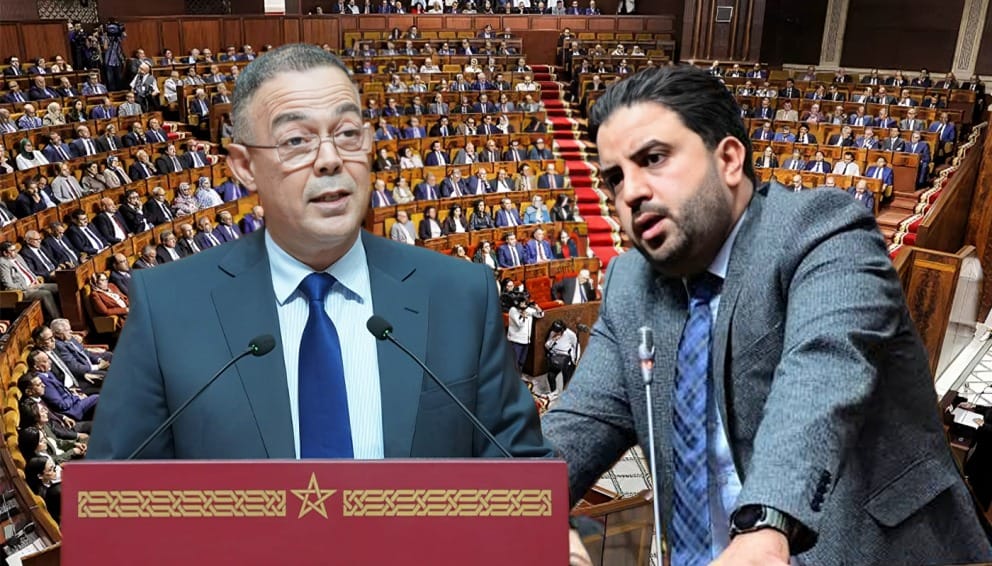
His stance came in the context of reacting to the presentation by Fouzi Lekjaa, Minister of Economy, Finance and Public Administration Reform, of the draft finance law for 2027 before Parliament. He considered that the ongoing debate reinforces the warnings that the Istiqlal Party had previously expressed regarding imbalances in public affairs management.
Al-Shanaq emphasized that combating rent-seeking economy, illicit enrichment, and conflicts of interest were among the commitments defended by his party, highlighting that the current phase requires moving from politically raising these issues to taking practical measures regarding them.
In this context, he declared his support for Fatima Ezzahra Mansouri's government in its steps to sanitize public life and establish economic and social justice, considering that the success of reform remains linked to the ability to address the imbalances accumulated during the previous phase.
The Independent leader affirmed that closing the chapter of the previous government, in which his party participated, without revealing the truth and determining political and legal responsibilities, when proven according to the established procedures, does not align with the principle of linking responsibility with accountability.
He also stressed that this demand is not aimed at settling political scores, but rather at ensuring the application of the law to everyone without selectivity or providing immunity to any party. Thus, Al-Shanaq places the file of holding the previous government accountable among the priorities of the current political debate, awaiting the translation of slogans related to fighting corruption and rent-seeking into tangible measures that enhance citizens' confidence in institutions.