HIBAPRESS: Abdellatif Baraka
The activities of the international symposium on "The Sahara Issue: Present Challenges and Future Prospects" concluded in the city of Agadir. The symposium was organized by the Sahara Association with the participation of researchers, diplomats, and experts from several countries, coinciding with the new dynamics launched by the UN resolution issued on October 31st, and the clear support it carried for the autonomy initiative under Moroccan sovereignty. The closing ceremony came to crown a course of sound academic discussion and fruitful scientific exchange, in the presence of a significant national and international audience.
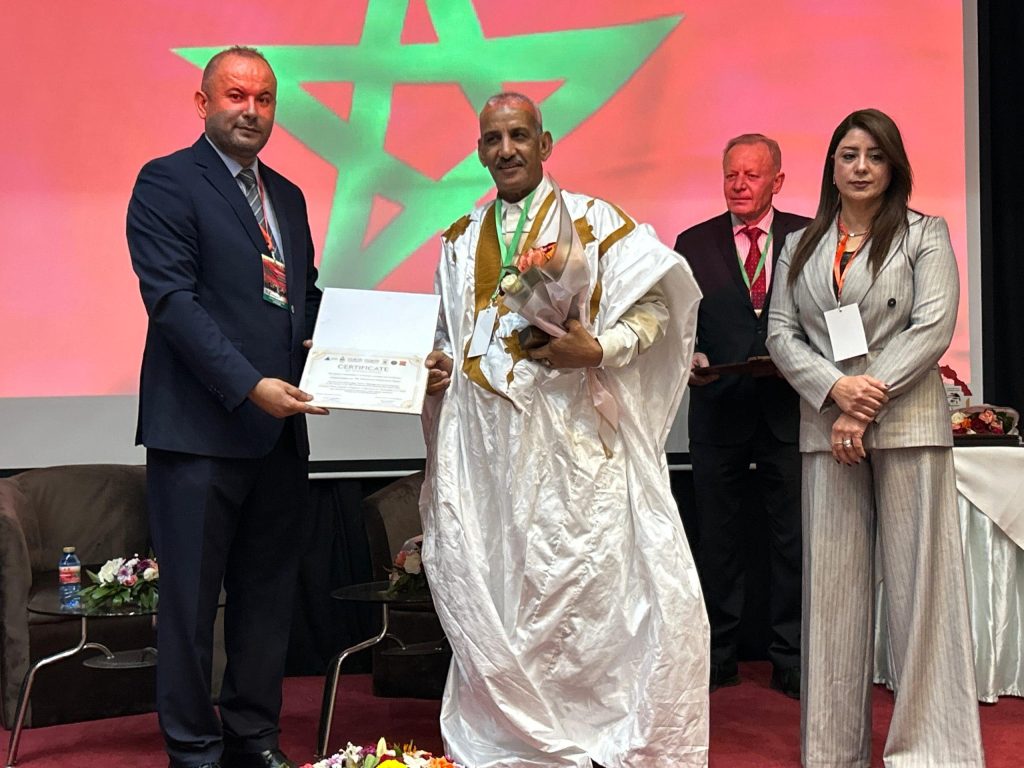
The ceremony began with a speech by the Sahara Association, as the organizing body, through which Professor Kabira Bouaouacha, the Executive Director of the international symposium, affirmed the success of this session at various levels, stressing the importance of the discussions held during the scientific sessions, and the in-depth analyses they contained about the future of the national issue in light of the latest international developments. The ceremony witnessed a touching moment dedicated to honoring the spirit of three actors who, during their lives, left a positive impact on the activities of the Sahara Association with national and international radiance, as their path and influential role during their lifetime were highlighted, in a message of loyalty and recognition for what they offered to the national issue and the association alike. The ceremony also saw the signing of a number of memorandums of understanding and cooperation agreements between the Association and political and civil bodies from different countries, with the aim of enhancing joint work in the areas of advocacy, parallel diplomacy, and the exchange of experiences and research, and opening new horizons for international cooperation to serve the presence of the Moroccan issue in regional and international spaces. These agreements were considered a qualitative step that expands the network of partners and gives the association greater possibilities for institutional work that is open to issues of regional security, development, and human rights. The closing recommendations of the symposium were also presented during the ceremony, which praised the recent UN resolution and the role of royal diplomacy in shaping it, and focused on the need to strengthen academic and media advocacy around the autonomy initiative, strengthen multi-track diplomacy, and develop international communication mechanisms to explain the positive developments taking place in the southern provinces. The recommendations also emphasized the importance of investing in scientific and research production, and creating spaces for cooperation between researchers, university institutions, and think tanks. The ceremony ended in a festive atmosphere that reflected the success of this international event, where the participants expressed their appreciation for the quality of the organization and the depth of the discussions that brought together a group of experts from inside and outside Morocco. The audience left with a shared feeling that this international symposium was not just an academic event, but an additional station to consolidate a new model of civil diplomacy that keeps pace with the positive transformations of the national issue and anticipates its future prospects with confidence and a clear vision.