HIBAPRESS – Abdellatif Baraka
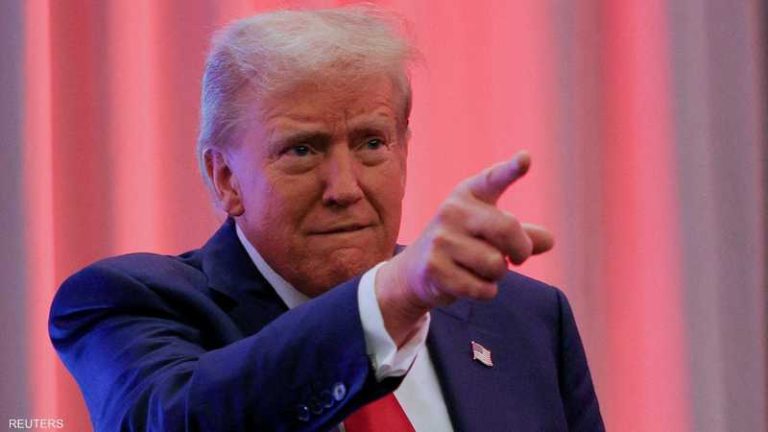
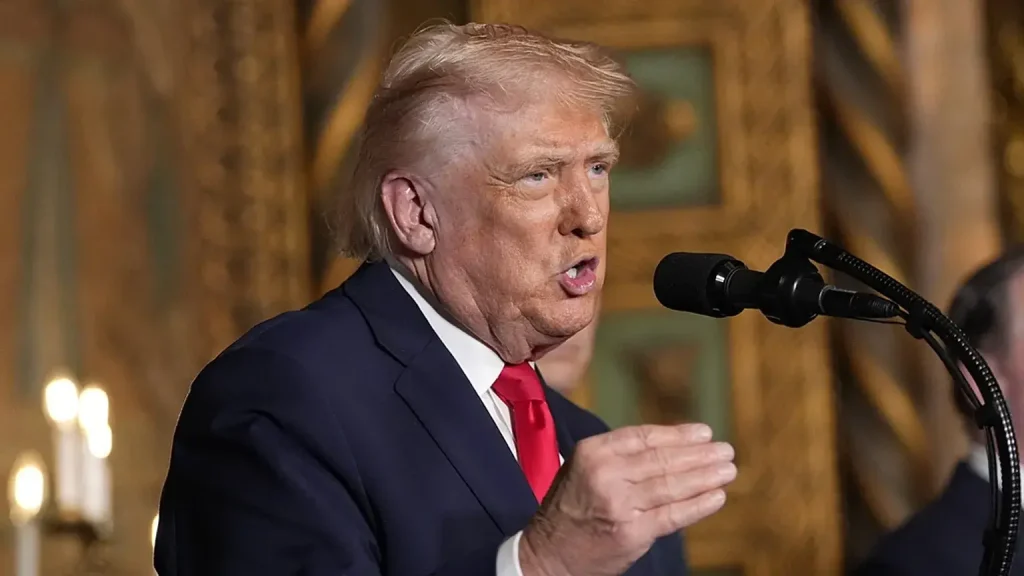
The recall of 48 ambassadors by US President Donald Trump, all of whom were appointed during the administration of former President Joe Biden, carries a clear political significance that goes beyond the usual protocol. The move reflects a clear trend towards re-evaluating American diplomatic representations abroad and breaking with part of the choices of the previous administration, in line with Trump's approach known for reshaping foreign policy institutions according to his own vision.
This move takes on an additional dimension considering that among the ambassadors concerned are the ambassadors of two important Arab countries, Egypt and Algeria, which puts American relations with North Africa and the Middle East within the circle of political review. The recall of these ambassadors may indicate the new administration's desire to rearrange its regional priorities, whether at the level of security partnerships, energy files, or geopolitical balances in the region. The move can also be read as a double message: the first internal, confirming Trump's return to the logic of "political loyalty" in sensitive appointments, and the second external, meaning that Washington is about to readjust its relations with its allies according to a more stringent and pragmatic approach, away from the continuity of the Biden administration's diplomatic approach. Accordingly, the recall of these ambassadors does not seem to be an isolated technical procedure, but rather falls within a broader dynamic to redraw the features of American foreign policy, with the potential repercussions on the United States' relations with its partners, including the Arab countries concerned.