HIBAPRESS
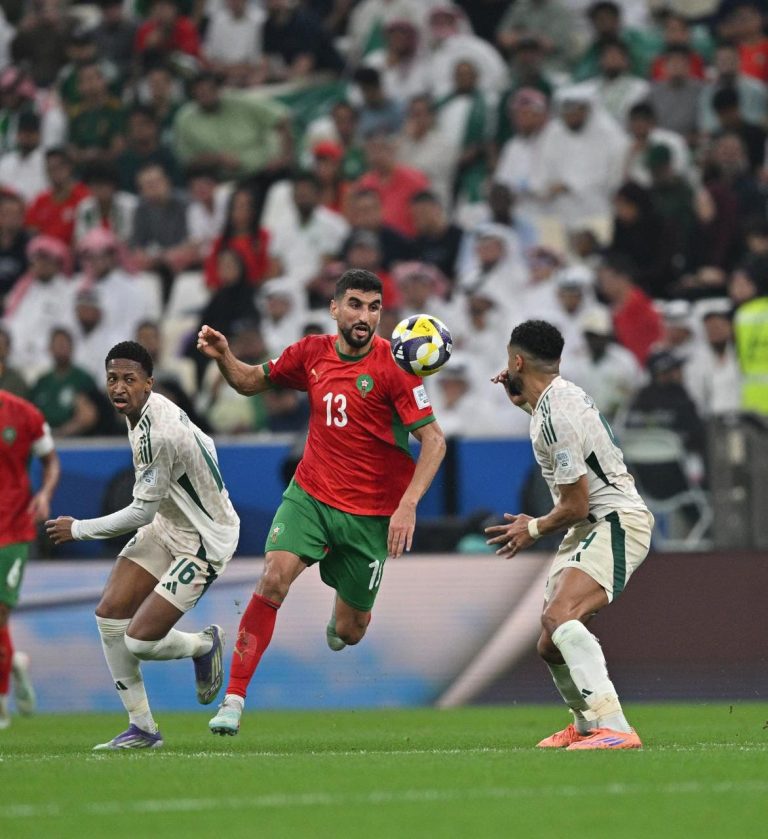
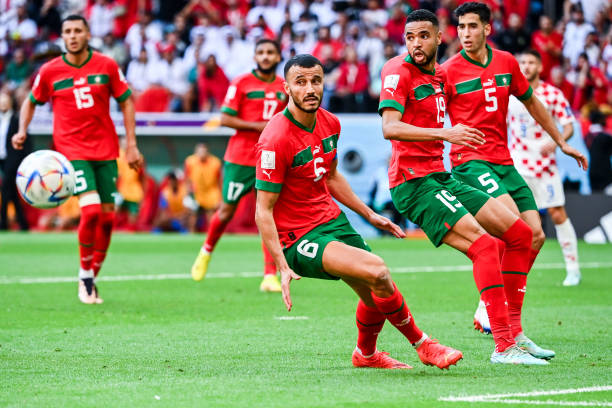
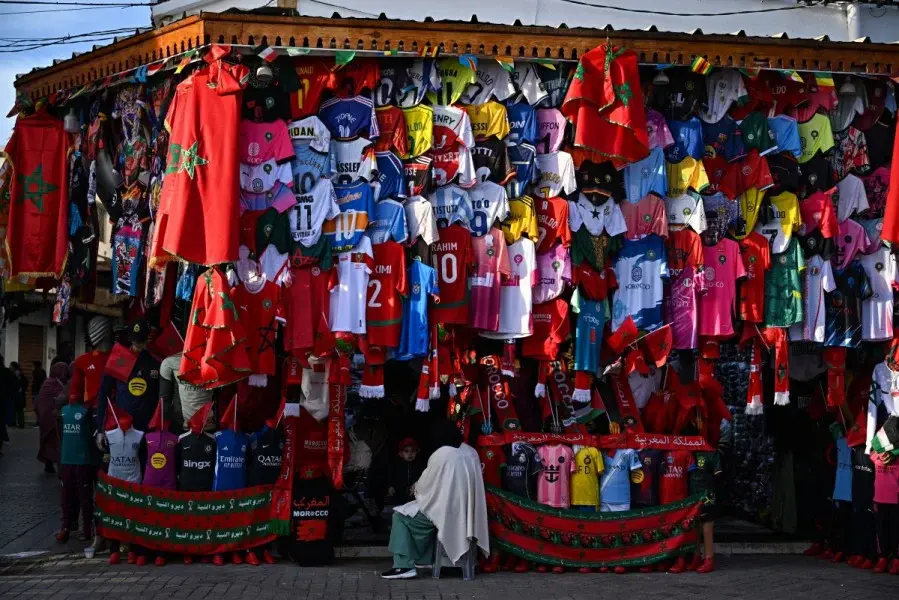
Moroccan markets are witnessing significant demand for the jerseys of the national teams participating in the 2025 African Cup of Nations, which is currently taking place in Morocco.
This widespread demand from the Moroccan public, foreign tourists, and members of the community residing in Morocco reflects a great sporting passion and a love for supporting the national teams in this prominent sporting event. With each match, sales increase in shops and markets that display national team jerseys, whether Moroccan or other national teams. At the top of these jerseys comes the jersey of the Moroccan national team, which enjoys great popularity among Moroccan citizens. Fans show their strong support for the "Atlas Lions" national team by wearing the official jersey in every match. However, the demand is not limited to the Moroccan national team only, as foreign tourists, especially from African countries such as Algeria, Tunisia, and Egypt, are keen to buy jerseys of their national teams to follow the matches and provide support for their teams. Markets in the cities hosting the matches, such as Casablanca, Rabat, Marrakesh, Agadir, Fez, and Tangier, are witnessing a noticeable congestion as the decisive matches approach. This phenomenon is an opportunity for shops to increase their sales, as many visitors, whether Moroccans or foreigners, flock to buy jerseys at prices ranging from reasonable to good. This phenomenon also reflects the ability of the African Cup of Nations to boost commercial activity in the host cities, where buying a jersey becomes a symbol of sporting affiliation and cultural interaction between participants. In addition to the economic incentives, wearing the jersey highlights a form of celebration and pride in sporting identity. With each match, encouragement and gathering in public places increase, reflecting a spirited sporting atmosphere. This phenomenon shows how the African Cup of Nations enhances the spirit of unity and sportsmanship among different fans, making this tournament more than just a sporting competition, but a cultural event that reflects belonging and national pride.