HIBAPRESS
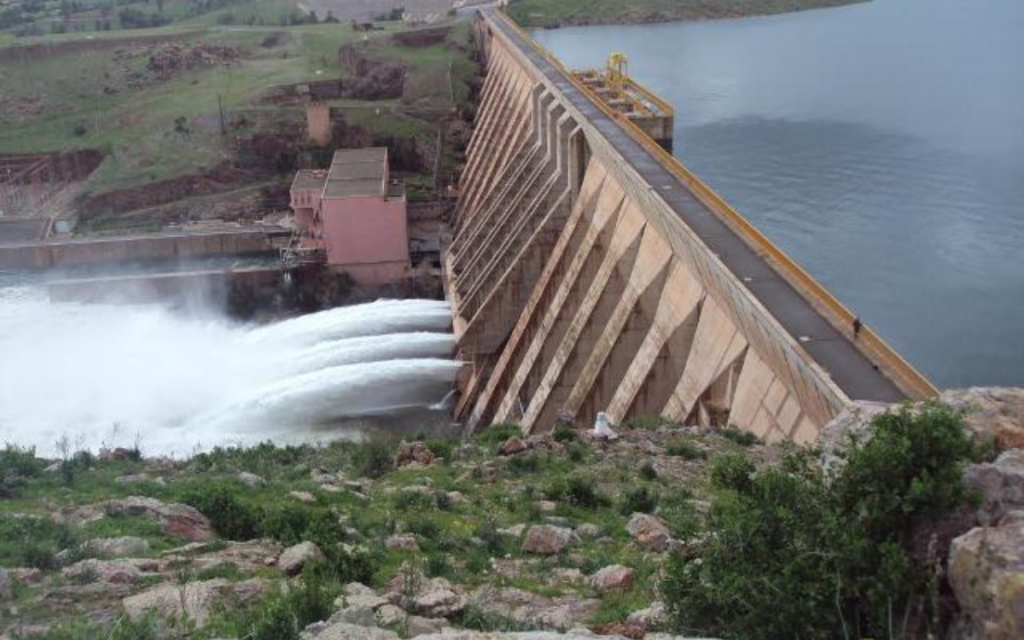
Mounia Az-Zahri, head of the Water Resources Monitoring, Evaluation, and Planning Department at the Oum Er-Rbia River Basin Agency in El Jadida, stated that the recent rainfall contributed to raising the water level of the dams belonging to the basin to 938 million cubic meters.
Ms. Az-Zahri explained in a statement to the Moroccan News Agency that these rainfalls reached approximately 251 mm as of today (January 8th), representing an increase of 75 percent compared to the usual annual average, which positively reflected on water imports, which amounted to 650 million cubic meters, raising the total water level of the dams belonging to the basin to 938 million cubic meters, with a filling rate of 19 percent. The official highlighted that this tangible improvement in the water situation at the Oum Er-Rbia River Basin will directly contribute to securing the supply of drinking water to major cities such as El Jadida, Youssoufia, Berrechid, Settat, and the Sidi Bennour province, reaching the south of Casablanca. Abdullah Wehbi, head of the production unit at the Douirat Dam, pointed out that the border area between Chaouia and Doukkala witnessed exceptional rainfall that enabled the small and medium-sized dams to fill up completely, especially the "Douirat" and "Imfout" dams. Wehbi added that this situation will ensure the continuous supply of 100 percent of drinking water to the provinces of Berrechid and Settat and their affiliated communities and villages, in addition to the centers of Had Soualem, El Jdida, Sidi Rahhal, Chtouka, Azemmour, and Moulay Abdellah. On the other hand, Wehbi stressed that despite these positive indicators, the sustainability of water resources requires collective involvement in rational management and continuous rationalization of consumption to face climate challenges and ensure water security in the region. In addition to contributing to raising the water level of the dams, this rain also contributes to revitalizing pastures and reducing pressure on fodder, which would alleviate the financial burdens on farmers and herders by reducing the cost of fodder and improving animal production conditions, especially in light of the direct support launched by the Ministry of Agriculture for livestock breeders within the framework of the national program to reshape the herd.