HIBAPRESS – Abdellatif Baraka
The actions of Hossam Hassan, the coach of the Egyptian national team, since the start of the 2025 African Cup of Nations, have sparked a wide wave of controversy and discontent within sports circles, after it became clear that he was unable to represent the sportsmanship and ethical values that the Egyptian people have been known for throughout their long sporting history.
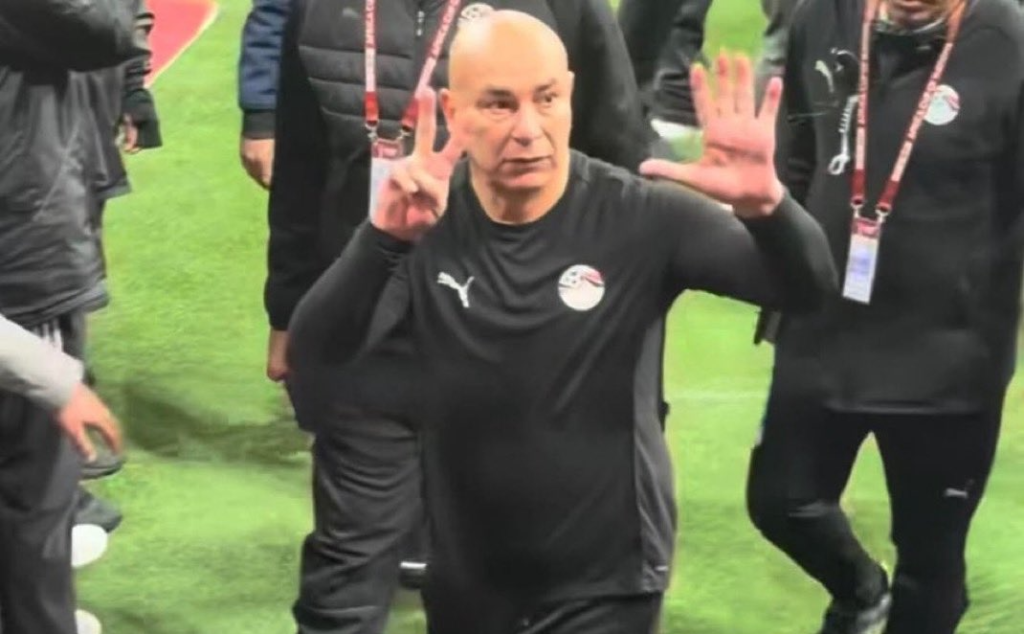
Since the first matches, the presence of the “Pharaohs” coach on the bench or in press conferences was not a positive factor reflected in the players' performance or the image of the team, but rather turned, on more than one occasion, into a source of tension and unaccounted-for behaviors that harmed the team more than served it. These behaviors reached their peak during the match between the Egyptian team and Benin at the Adrar Stadium in Agadir, when he issued signals and actions that many considered insulting to the audience, and carried implications that were not befitting the position of a national team coach. The irony is that the Moroccan fans in the city of Agadir, whose number exceeded 40,000 spectators, gave a lesson in sportsmanship, as they enthusiastically supported the Egyptian team in their match with South Africa, to the point that observers believed that the “Pharaohs” were playing on their home turf and among their fans. However, this support was, unfortunately, met with statements and behaviors that increased the intensity of the tension, instead of being translated into thanks or recognition of the value of the audience and its role. With the succession of matches, the Egyptian team's lackluster performance continued, and Hossam Hassan came out in press conferences with statements that were considered offensive, directing the arrows of criticism again towards the fans, in an attempt to blame others for the failure. The semi-final match against the Senegalese team came to reveal more clearly the size of the crisis, not only at the technical level, but also at the level of sports ethics. The match witnessed an altercation with the coach of the Senegalese team, followed by a more controversial incident when Hossam Hassan rejected the greeting initiative made by the Senegalese star Sadio Mane towards Mohamed Salah, in a shocking scene that contradicts the recognized sporting customs, especially since the “CAN” matches witnessed honorable images of exchanging greetings and respect between the teams, whether winning or eliminated. These actions, which spread widely across social media and the media in various participating countries, prompted a large number of followers to question the extent to which Hossam Hassan is qualified to represent the culture of a country the size of Egypt, a country that has produced great sports names that were an example of humility and respect before the results and titles. The coach, before being a technician, is considered an ethical and cultural face for his country, and his behavior inside and outside the field is directly reflected in the image of the team and its people. In a continental championship that brings together different peoples under the banner of fair competition, sportsmanship remains the highest title, and adhering to it is a responsibility that is no less important than achieving victories.