HIBAPRESS – Fikri Ouldali
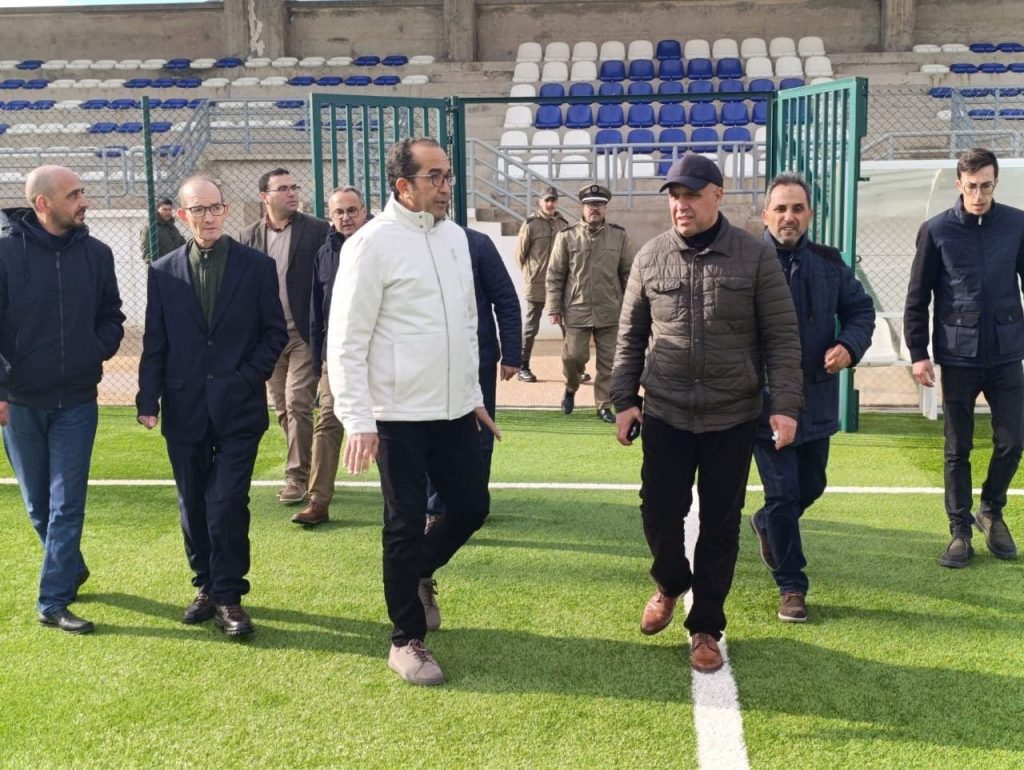
As part of continuing the approach of proximity and monitoring the conditions of public facilities in the province, the Governor of Al Hoceima, on Saturday, January 17, 2026, made a field visit to the municipality of Targest, which was dedicated to assessing the situation of a number of social, health, and sports facilities, and evaluating the level of services provided to the local population.
The visit included inspecting the youth center, the vocational training institution, the municipal stadium, in addition to the center for people with special needs, where the Governor of the province was briefed on the working conditions and the constraints facing these facilities, and listened to explanations from officials about their needs in the areas of equipment, rehabilitation, and human resources. The visit also included the dialysis center, the proximity hospital, and the maternity home, as they are vital facilities that provide essential health services to the population of the municipality and the surrounding areas. The level of medical care and the nature of the services provided were assessed, in addition to monitoring the constraints related to equipment and health frameworks, and ways to improve the quality of reception and care for patients and pregnant women. The Governor of Al Hoceima, during this visit, emphasized the strategic importance of these facilities in strengthening the health and social offer in the rural environment, stressing the need for the efforts of various stakeholders to be combined in order to rehabilitate them and improve the level of their management, in a way that meets the aspirations of the population and guarantees their right to decent public services. This visit is part of a series of field tours carried out by the Governor of the province in a number of Al Hoceima municipalities, within the framework of an approach that relies on field diagnosis and the approach of proximity, with the aim of monitoring deficiencies and accelerating the pace of interventions, in a way that serves local development and contributes to improving the living conditions of citizens.